Wyatt Name Meaning and Origin
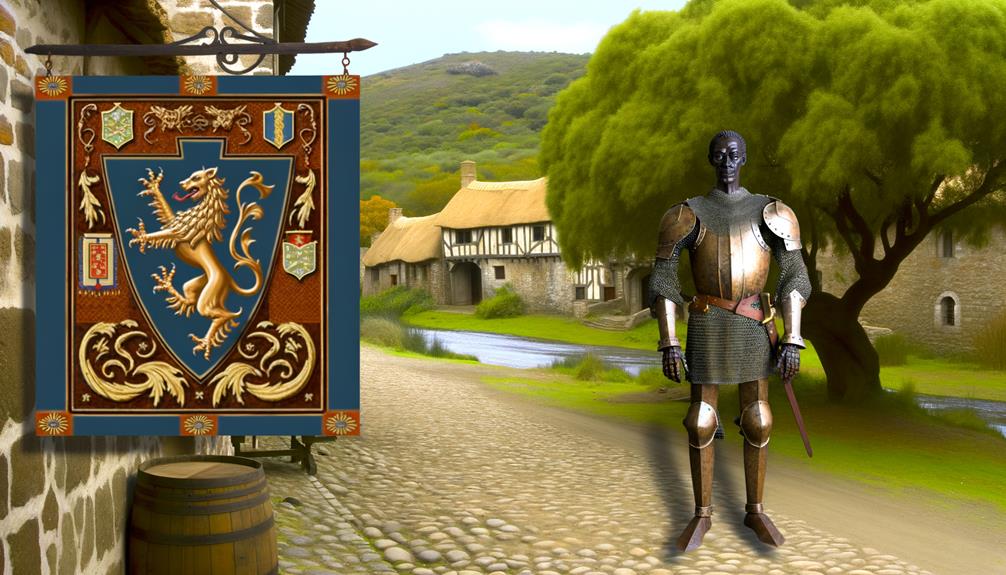
Wyatt, an ancient name, originates from the Old English 'Wigheard,' meaning 'war' and 'brave' or 'hardy.' This name evolved post-Norman Conquest into forms like Wyot and Wiot and became prominent in southern England. Often associated with nobility and landownership, Wyatt signified courage and strength and was highly esteemed in medieval chivalric traditions.
Notable bearers include Sir Thomas Wyatt, a seminal figure in English poetry, and Wyatt Earp, an iconic lawman of the American Old West. The legacy of the name Wyatt endures through its continued cultural and historical significance.
Discover its profound legacy and notable bearers further.
Key Takeaways
- Wyatt originated from the Old English name 'Wigheard,' meaning 'brave in war.'
- The name combines the elements 'wig' (war) and 'heard' (brave or hardy).
- Wyatt was transformed from 'Wigheard' post-Norman Conquest, reflecting phonetic changes.
- Historically associated with knightly valor, nobility, and landownership in medieval England.
- Influential figures like Sir Thomas Wyatt and Wyatt Earp contributed to its lasting legacy.
Historical Roots
Historically, the name Wyatt can be traced back to medieval England, where it originated as a patronymic surname derived from the Old English personal name 'Wigheard.' During the Norman Conquest of 1066, many Anglo-Saxon names, including 'Wigheard,' underwent transformations, leading to various iterations such as Wyot, Wiot, and eventually Wyatt.
This name was associated with nobility and landownership, reflecting the socio-political structures of the time. Wyatt families were often found in the southern counties of England, particularly in Kent and Sussex. The name gained prominence through influential figures like Sir Thomas Wyatt, a poet and diplomat in the court of Henry VIII, further embedding it into the annals of English history.
This historical lineage underscores Wyatt's enduring legacy.
Etymology
The etymology of the name Wyatt is rooted in the Old English elements 'wig,' meaning war or battle, and 'heard,' meaning brave or hardy. This combination of elements reflects a historical context in which names often conveyed significant attributes or qualities, particularly those valued in a society that frequently faced conflict.
The evolution of 'wigheard' over time into 'Wyatt' demonstrates the phonetic shifts that occurred within the English language. These elements suggest that the bearers of the name were likely regarded for their courage and strength, qualities essential for survival and leadership in early English societies.
Understanding the linguistic components of Wyatt provides insight into the cultural and social values embedded in early English nomenclature.
Medieval Significance
During the medieval period, the name Wyatt was often associated with knightly valor, embodying the chivalric ideals of bravery and honor.
Historical records indicate that the name experienced fluctuating popularity, reflecting its connection to notable figures and events of the time.
Understanding these trends provides valuable insights into the socio-cultural significance of the name Wyatt during the Middle Ages.
What Should You Know About Knightly Valor Symbolism?
Embodying the ideals of chivalry and bravery, the name Wyatt evokes the knightly valor that was highly esteemed in medieval society.
Wyatt, derived from the Old English name Wigheard, translates to 'brave in war,' a tribute to the martial prowess and fortitude expected of knights.
This name encapsulates the virtues of courage, loyalty, and honor, which were pivotal to the medieval code of chivalry.
Knights, as defenders of their domain and bearers of noble conduct, epitomized qualities that Wyatt symbolizes.
The name's association with such valorous attributes underscores its deep-rooted connection to the chivalric tradition, reflecting a legacy of strength and noble character that has resonated through the ages.
What Should You Know About Historical Popularity Trends?
Although the name Wyatt's medieval significance is rooted in its connotation of bravery and chivalry, its popularity during the Middle Ages fluctuated in response to evolving cultural and social dynamics.
Initially, the name was embraced among the knightly class, reflecting attributes valued in feudal societies. However, as the medieval period progressed, the rise of new naming conventions influenced by religious and regional factors caused a decline in its usage.
The Norman Conquest of 1066, for example, introduced a plethora of French names, overshadowing traditional Anglo-Saxon names like Wyatt. Despite these fluctuations, the name persisted in various forms, maintaining its association with valor.
The enduring legacy of Wyatt underscores its adaptability and cultural resonance through changing historical contexts.
Modern Popularity
In recent years, the name Wyatt has experienced a noteworthy rise in popularity, reflecting broader sociocultural trends.
This surge is evident across various regions, with particular concentrations in English-speaking countries.
Influences such as media representation and celebrity usage have notably contributed to Wyatt's contemporary appeal.
What Should You Know About Wyatt’s Rising Trend?
Wyatt has seen a significant rise in popularity over the past few decades, becoming a favored choice for parents seeking a strong and timeless name for their children. This trend can be traced through historical naming data, showing a clear upward trajectory. In the early 1980s, Wyatt was relatively uncommon, but its prevalence has consistently increased, reflecting broader cultural shifts and naming preferences. The following table illustrates this growth:
| Year | Rank |
|---|---|
| 1980 | 512 |
| 1990 | 293 |
| 2000 | 125 |
| 2020 | 29 |
This data highlights Wyatt's transformation from a rare choice to a mainstream favorite. The name's robustness and classic appeal have resonated with contemporary naming trends, contributing to its enduring popularity.
What Should You Know About Popularity Across Regions?
Examining Wyatt's modern popularity reveals significant regional variations, with the name enjoying particular favor in certain states and demographic groups across the United States.
Statistically, Wyatt has surged in popularity in the Western and Midwestern regions, especially in states such as Montana, Wyoming, and the Dakotas. This trend is also evident in Southern states like Texas and Tennessee, where historical and cultural influences may play a role.
Demographically, Wyatt has found favor among younger, mainly middle-class families, indicating a broader cultural resonance. The name's appeal is sustained by its rugged, timeless quality, aligning with American values of strength and individuality.
This regional and demographic preference underscores Wyatt's multifaceted appeal in contemporary American society.
What Should You Know About Influences on Wyatt’s Appeal?
While regional and demographic preferences highlight the name's widespread acceptance, various cultural, historical, and media influences greatly contribute to Wyatt's modern popularity.
Wyatt's resonance can be attributed to several key factors:
- Historical Figures: The legacy of Wyatt Earp, an iconic figure of the American Wild West, lends a rugged, adventurous aura to the name.
- Literary Presence: Its use in classic and contemporary literature underscores its timeless appeal.
- Media Representation: Popular television shows and films frequently feature characters named Wyatt, reinforcing its familiarity and attractiveness.
- Celebrity Influence: Celebrities naming their children Wyatt can spark trends, increasing the name's visibility.
- Cultural Shifts: The growing preference for names that evoke strength and individuality aligns with Wyatt's enduring charm.
These influences collectively enhance Wyatt's appeal across various contexts.
Famous Bearers
Among the notable individuals who have borne the name Wyatt, historical and contemporary figures alike have greatly impacted various fields such as literature, entertainment, and politics. Sir Thomas Wyatt, a 16th-century poet and diplomat, is credited with introducing the sonnet to English literature, profoundly influencing Renaissance poetry.
In the domain of entertainment, Wyatt Earp, the famed lawman and gambler of the American Old West, has been immortalized in numerous films and books, shaping the archetype of the Western hero.
More recently, Wyatt Russell, an actor known for roles in television and film, continues to garner acclaim. Such figures exemplify the versatility and enduring legacy of the name Wyatt, reflecting its rich historical and cultural significance.
Cultural Impact
The name Wyatt has recurrently permeated various cultural narratives, shaping perceptions and inspiring creativity across generations. Historically, it has been linked with iconic figures and literary works, enhancing its cultural resonance.
- Wyatt Earp: As a legendary lawman of the American Old West, he has immortalized the name in Western folklore.
- Literature: Sir Thomas Wyatt, a 16th-century poet, profoundly influenced English Renaissance literature.
- Film and Television: Wyatt Cenac has contributed to contemporary comedy and television.
- Music: Wyatt is also prevalent in modern music, with artists like Wyatt Durrette crafting award-winning songs.
- Popularity: The name's continued presence in various media underscores its enduring appeal and adaptability.
This multifaceted cultural impact underscores Wyatt's lasting significance.
Conclusion
The name Wyatt, symbolizing steadfastness and bravery, has traversed a rich historical tapestry. From its etymological roots in Old English, through its medieval significance as a marker of social standing, to its modern resurgence in popularity, Wyatt has maintained a strong cultural resonance.
Famous bearers further illuminate its enduring legacy. Wyatt, like a timeless sentinel, stands as a tribute to the enduring nature of names that encapsulate both heritage and contemporary appeal.