Wolf Name Meaning and Origin
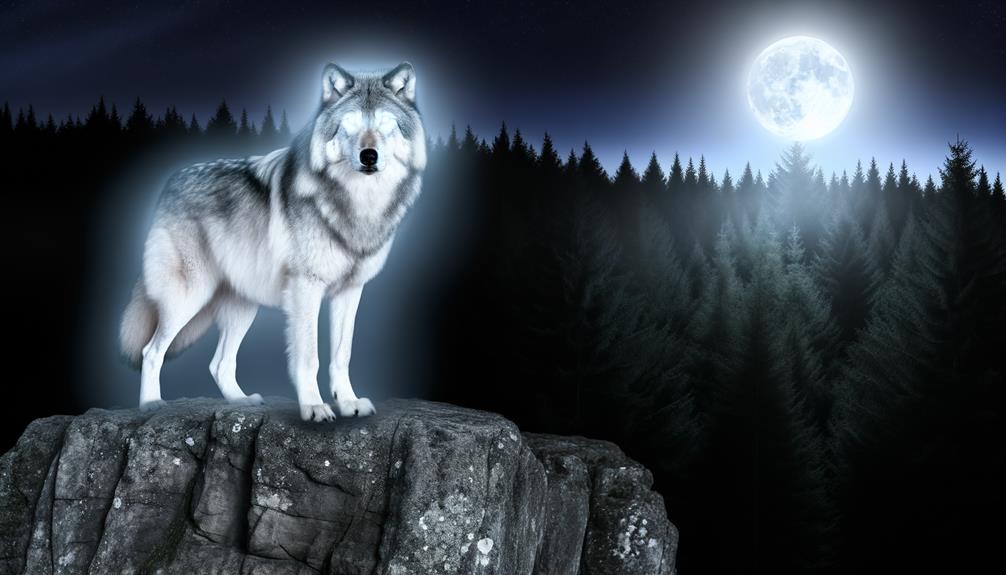
The name ‘Wolf’ originates from ancient Germanic and Norse cultures, etymologically derived from the Old High German ‘wulf’ and Old Norse ‘úlfr’. Historically associated with ferocity and strength, it serves as a potent symbol in mythology and daily life. The wolf embodies multifaceted traits, including loyalty, cunning, and an intrinsic connection to nature. Prominent in myths such as the Norse Fenrir and the Roman she-wolf Lupa, wolves encapsulate humanity’s complex relationship with wild nature.
The name 'Wolf' originates from ancient Germanic and Norse cultures, etymologically derived from the Old High German 'wulf' and Old Norse 'úlfr'. Historically associated with ferocity and strength, it serves as a potent symbol in mythology and daily life.
The wolf embodies multifaceted traits, including loyalty, cunning, and an intrinsic connection to nature. Prominent in myths such as the Norse Fenrir and the Roman she-wolf Lupa, wolves encapsulate humanity's complex relationship with wild nature.
Today, 'Wolf' remains a popular name, symbolizing strength and independence, reflecting an enduring fascination with these majestic creatures. Discover more about its rich background.
Key Takeaways
- The name 'Wolf' originates from Old High German 'wulf' and Old Norse 'úlfr'.
- It symbolizes strength, ferocity, and primal instincts across various cultures.
- Wolves feature prominently in mythology, symbolizing chaos, protection, and spiritual guidance.
- Modern usage of 'Wolf' reflects its symbolism of strength, mystery, and independence.
- The name 'Wolf' is popular in contemporary media, literature, and as a given name.
Historical Roots
Tracing the historical roots of the name 'Wolf' reveals its deep-seated origins in ancient Germanic and Norse cultures, where it was often associated with strength and ferocity. In these societies, the wolf was a potent symbol embedded in mythology and everyday life.
The etymology traces back to the Old High German word 'wulf' and Old Norse 'úlfr,' both denoting the animal revered for its prowess in hunting and survival. Names incorporating 'Wolf' were prevalent, serving not only as personal identifiers but also as a reflection of desirable traits.
This historical context underscores the name's enduring resonance, highlighting its intrinsic connection to notions of bravery and leadership, traits highly esteemed by these ancient civilizations.
Cultural Significance
The cultural significance of the name 'Wolf' extends across various societies, reflecting its multifaceted symbolism and enduring impact on language, literature, and folklore.
In many cultures, wolves are emblematic of traits such as strength, cunning, and loyalty. The name 'Wolf' often connotes a deep connection to nature and a sense of primal instincts.
In literature, wolves frequently appear as central figures, symbolizing both noble and fearsome qualities. Folklore from diverse regions portrays wolves in varying lights, from protectors to adversaries. This duality enriches the name with complex layers of meaning.
Additionally, the name 'Wolf' has been adopted in modern times as a surname and given name, further solidifying its cultural resonance and broad appeal.
Mythology and Legends
Mythology and legends are replete with wolves, often casting them as creatures of profound significance and intricate symbolism.
In Norse mythology, the wolf Fenrir is a colossal beast prophesied to bring about Ragnarök, symbolizing chaos and destruction.
Conversely, in Roman legend, the she-wolf Lupa nurtured Romulus and Remus, embodying themes of protection and the foundational role of nature in civilization.
Native American lore frequently portrays wolves as wise, spiritual guides, integral to the balance of nature.
These diverse representations underscore the wolf's dual nature as both a harbinger of peril and a guardian spirit.
Analyzing these mythological narratives reveals the complex, multifaceted role of wolves in human cultural consciousness, reflecting both fear and reverence.
Modern Usage
In contemporary society, the name 'Wolf' has gained considerable traction, partly fueled by its frequent portrayal in popular media, including literature, television, and films. This surge in visibility has correspondingly influenced naming trends, as evidenced by an increase in the name's adoption among newborns.
Analyzing these patterns provides insight into the cultural factors driving its modern appeal and enduring resonance.
What Should You Know About Popularity in Media?
Reflecting its primal and enigmatic nature, the name 'Wolf' has seen a significant resurgence in contemporary media, permeating various forms of entertainment and popular culture.
Importantly, the name appears frequently in television series, literature, and films, often symbolizing strength, mystery, and independence. Characters named Wolf or possessing wolf-like attributes are portrayed as leaders or lone figures, resonating with audiences drawn to their fierce and untamed spirit.
Additionally, the name's adoption by numerous celebrities for their children has further bolstered its appeal, creating a ripple effect of popularity. This trend underscores a cultural fascination with the wild, untamed aspects of nature, mirroring the broader societal shift towards valuing individuality and primal instincts.
What Should You Know About Name Trend Analysis?
Analyzing the modern usage of the name 'Wolf' reveals a notable increase in its popularity, driven by its unique blend of cultural resonance and distinctive sound. This name, once mainly confined to certain ethnic and cultural groups, has seen a broader acceptance in contemporary times.
Data from baby name registries indicates a steady rise in its adoption, particularly in Western countries. Influenced by factors such as media representation and a growing trend towards nature-inspired names, 'Wolf' has emerged as a symbol of strength and individuality.
Moreover, its phonetic simplicity and strong visual imagery contribute to its appeal, making it a favored choice among parents seeking a name that stands out while carrying a sense of heritage and mystique.
Symbolism and Traits
The symbolism of the wolf, often seen as a complex tapestry of strength, loyalty, and intuition, has permeated various cultures and mythologies throughout history. In Native American traditions, the wolf embodies familial bonds and social connections, revered for its cooperative hunting strategies and pack hierarchy.
Similarly, in Norse mythology, wolves are emblematic of both ferocity and protection, exemplified by figures like Fenrir and Geri. The wolf's keen instincts and adaptability underscore its role as a totem of survival and wisdom.
Moreover, modern interpretations often highlight the wolf's dual nature—capable of fierce independence yet deeply committed to its pack. Such multifaceted symbolism has contributed to the enduring allure and significance of the wolf in cultural narratives.
Popularity Trends
In recent years, the name Wolf has experienced a notable surge in popularity, reflecting broader cultural trends and influences.
Geographic differences also play a significant role, with the name gaining varying levels of acceptance and usage across different regions.
This section will examine the factors contributing to these trends and analyze the regional disparities in the name's adoption.
What Should You Know About Recent Popularity Surge?
Driven by a resurgence in nature-inspired names and a growing fascination with strong, evocative monikers, the name Wolf has recently experienced a notable increase in popularity. This trend is partly attributed to a broader cultural shift towards embracing individuality and unique identity markers. Celebrities and public figures opting for the name Wolf for their children have further amplified its appeal.
Additionally, the name's connotation of strength, independence, and natural beauty resonates with modern parents seeking meaningful and distinctive names. Statistical data corroborates this rise, showing a marked uptick in birth registrations and social media mentions involving the name Wolf. This surge reflects a contemporary preference for names that convey both personal significance and a connection to the natural world.
What Should You Know About Geographic Popularity Differences?
Geographic variations reveal that the name Wolf enjoys particular prominence in regions with a strong cultural affinity for nature and wildlife conservation. In countries such as Germany and Norway, where folklore and historical narratives often feature wolves, the name carries significant cultural weight.
In the United States, states with robust environmental movements and extensive natural parks, such as Colorado and Oregon, also show a higher frequency of the name Wolf. Additionally, Indigenous cultures that revere the wolf as a spiritual entity contribute to the name's prevalence in certain areas.
This geographic popularity aligns with broader societal trends that emphasize reconnecting with nature and honoring indigenous traditions, suggesting a deep-rooted, symbolic connection to the wild.
Conclusion
The term 'wolf' transcends time, embodying both historical heritage and cultural connotations. Mythology manifests myriad meanings, merging mythic marvels with modern manifestations.
Symbolically, the wolf signifies strength, solitude, and survival, subtly shaping societal subconscious. Contemporary contexts witness a resurgence, reflecting a renewed reverence for this resilient, resourceful, and regal creature.
Popularity patterns point to persistent prominence, perpetuating the wolf's esteemed status. Therefore, the wolf remains a potent, perennial presence in collective consciousness.