Meaning of the Name Tiara
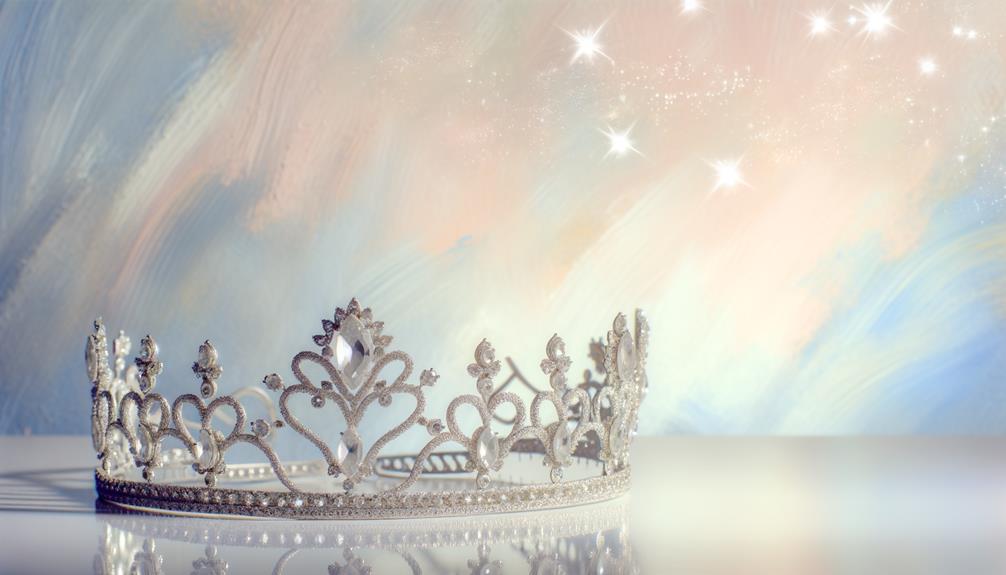
The name Tiara, deriving from ancient Greek and Latin, historically refers to jeweled headdresses associated with royalty and high-ranking priests. It symbolizes authority, prestige, and divine favor. In various cultures, a tiara denotes power, elegance, and social status, often worn during coronations and significant state events. This regal adornment is immortalized in art and literature, signifying leadership and reverence.
The name Tiara, deriving from ancient Greek and Latin, historically refers to jeweled headdresses associated with royalty and high-ranking priests. It symbolizes authority, prestige, and divine favor.
In various cultures, a tiara denotes power, elegance, and social status, often worn during coronations and significant state events. This regal adornment is immortalized in art and literature, signifying leadership and reverence.
Modern interpretations reflect a desire for empowerment and sophistication, making Tiara a popular choice for those seeking a name that conveys distinction and grace. To discover more about its storied significance, explore its detailed history and cultural impact.
Key Takeaways
- The name Tiara means a jeweled headdress or crown, symbolizing authority and prestige.
- It originates from ancient Greek and Latin, associated historically with royalty and nobility.
- Tiara represents elegance, distinction, and spiritual symbolism in both ancient and modern cultures.
- The name evokes regality and sophistication, reflecting empowerment and confidence.
- Tiara is a unique, phonetically appealing choice that aligns with aspirations for grace and grandeur.
Etymology of Tiara
The name Tiara originates from ancient Greek and Latin, where it referred to a form of jeweled headdress or crown often worn by royalty. The term evolved linguistically through these ancient cultures, deriving from the Greek word 'τιάρα' and the Latin 'tiara,' both signifying a ceremonial diadem.
This etymology underscores its association with status and prestige. In the Greek context, a tiara was typically adorned with precious stones and intricate designs, symbolizing authority and divinity. The linguistic journey of the word reflects a rich cultural interchange, embedding itself into the lexicon as a representation of regality.
Consequently, the name Tiara carries connotations of nobility and elegance, rooted deeply in classical heritage and linguistic tradition.
Historical Context
The name Tiara is historically linked to royalty and nobility. It carries a rich legacy of power and prestige. In ancient cultures, tiaras symbolized authority and divine favor. They were often worn by kings, queens, and high priests during significant ceremonies.
This historical association underscores the name's enduring connection to themes of leadership and reverence.
How Does Royalty and Nobility Origins Impact Your Choice?
In historical contexts, the name Tiara often evokes imagery of regal adornment and connections to royalty and nobility. The term 'tiara' originally referred to a headdress worn by ancient monarchs, symbolizing authority and prestige.
This association with nobility is underscored by several key elements:
- Regal Headdresses: Tiaras were elaborately decorated with jewels, emphasizing the wealth and power of the wearer.
- Ceremonial Use: Often donned during coronations and significant state events, tiaras signified the transfer of power.
- Artistic Depictions: Historical paintings and sculptures frequently feature tiaras, immortalizing their association with royalty.
- Cultural Adoption: Over centuries, various cultures adopted the tiara, each imbuing it with unique societal significance.
These aspects firmly root the name Tiara in a legacy of aristocratic influence.
What Should You Know About Symbolism in Ancient Cultures?
Many ancient cultures imbued the tiara with profound symbolic significance, reflecting various aspects of their societal values and beliefs.
In ancient Egypt, the tiara was often associated with divine authority and was worn by pharaohs and gods alike, symbolizing their sacred rule.
Similarly, in ancient Persia, the tiara denoted royal status and was intricately designed to convey power and prestige.
The Greeks and Romans also adopted the tiara, using it to signify victory and honor, particularly in athletic and military contexts.
Moreover, in Mesopotamian societies, the tiara was a marker of social hierarchy, distinguishing nobility from commoners.
Across different civilizations, the tiara served not simply as an ornament but as a potent emblem of rank, authority, and divinity.
Cultural Significance
The name Tiara carries rich cultural significance, rooted in its historical context and origins as a symbol of royalty and status.
Across various cultures, the tiara has represented power, elegance, and distinction, reflecting societal values and traditions.
In modern times, the name has transcended its traditional connotations, gaining global interpretations that blend heritage with contemporary influences.
How Does Historical Context and Origins Impact Your Choice?
Although the name Tiara is often associated with modern elegance, its historical roots reveal a rich cultural significance that spans various civilizations. The term 'tiara' originally referred to a type of crown or headdress worn by royalty and high-ranking individuals in ancient cultures.
Its origins can be traced back to:
- Ancient Persia: Where it denoted a high, peaked crown worn by kings and nobility.
- Byzantine Empire: Where it evolved into a more elaborate and ornate headdress.
- Medieval Europe: Where it signified the status and power of queens and noblewomen.
- Religious Contexts: Such as the Papal Tiara, symbolizing the authority of the Pope in the Roman Catholic Church.
Understanding these origins provides a deeper appreciation of the name's profound historical context.
What Should You Know About Symbolism Across Cultures?
Across various cultures, the name Tiara embodies a rich tapestry of symbolism that reflects concepts of royalty, spirituality, and social status. In Western traditions, a tiara often signifies nobility and regal authority, frequently worn by queens and princesses. This connotation is mirrored in Asian cultures, where a tiara can symbolize divine connection and spiritual enlightenment, often seen in religious ceremonies.
In African communities, head adornments resembling tiaras indicate social ranking and tribal leadership. These diverse interpretations underscore the tiara's universal association with elevated status and reverence. Each cultural perspective adds layers of meaning, illustrating how a single name can encapsulate a broad spectrum of esteemed values and societal roles across the globe.
What Should You Know About Modern Interpretations Globally?
In contemporary contexts, the name Tiara continues to evoke notions of elegance and prestige, albeit with nuanced variations in cultural significance globally. Its modern interpretations reflect diverse cultural landscapes and social values.
For example:
- Western Cultures: Often associated with royalty and pageantry, symbolizing grace and poise.
- Asian Cultures: May denote auspiciousness and prosperity, reflecting a blend of tradition and modernity.
- African Cultures: Frequently embraced as a name that conveys strength and leadership, resonating with historical figures.
- Latin American Cultures: Often linked to familial honor and societal status, highlighting communal values.
These varied interpretations underscore the name's adaptability and enduring appeal, bridging historical connotations with contemporary relevance. Understanding these nuances offers a holistic view of Tiara's global cultural significance.
Symbolism and Imagery
The name 'Tiara' evokes images of royalty and elegance, symbolizing power, grace, and prestige. This imagery stems from its literal meaning; a tiara is a jeweled headpiece often worn by royalty and nobility, signifying status and authority. The association with such regality imbues the name with connotations of sophistication and refinement.
The tiara's intricate designs often incorporate precious stones, which symbolize beauty, wealth, and timelessness. This multifaceted symbolism makes the name 'Tiara' resonate with a sense of grandeur and exclusivity.
Essentially, naming a child Tiara can be seen as an aspiration for them to embody these esteemed qualities, encapsulating the idea of a life filled with distinction and honor.
Popularity Over Time
While the name 'Tiara' carries a regal and sophisticated connotation, its popularity has fluctuated over time, reflecting changing cultural and societal trends. This variance is influenced by multiple factors, including media exposure, celebrity influence, and broader naming conventions.
Historical Peaks: The name saw notable increases in usage during specific decades, particularly the late 20th century.
Media Influence: Television shows and movies have occasionally featured characters named Tiara, contributing to periodic spikes in its popularity.
Geographical Trends: The name has enjoyed differing levels of popularity in various regions, particularly in English-speaking countries.
Societal Shifts: Broader shifts in societal attitudes towards unique and meaningful names have also impacted the name's usage.
These elements collectively illustrate the dynamic nature of the name's popularity.
Modern Interpretations
Understanding modern interpretations of the name 'Tiara' requires examining contemporary cultural contexts and personal naming philosophies.
In today's society, 'Tiara' often evokes imagery of regality and sophistication due to its association with a jeweled crown. This connection can imbue the name with a sense of elegance and prestige.
Additionally, the trend of unique and meaningful names contributes to its appeal, as parents seek names that convey individuality and distinction. Socioculturally, 'Tiara' can also reflect a desire to bestow a sense of empowerment and confidence upon the bearer.
The name's phonetic simplicity further enhances its modern charm, making it accessible yet distinctive. Therefore, 'Tiara' is a name that resonates with contemporary values of uniqueness and grace.
Famous Namesakes
Prominent individuals named Tiara further exemplify the name's association with elegance and distinction in modern culture. This name has been embraced by various notable figures across diverse fields, highlighting its multifaceted appeal and resonance.
- Tiara Thomas: An acclaimed American singer-songwriter known for her contributions to the music industry, particularly her work with Wale on the hit single 'Bad.'
- Tiara Andini: An Indonesian pop singer who gained widespread recognition through her participation in the talent show 'Indonesian Idol.'
- Tiara Jacquelina: A Malaysian actress and film producer, celebrated for her influential work in Southeast Asian cinema.
- Tiara Malcom: A prominent figure in sports, serving as an assistant coach for the University of Delaware's women's basketball team.
These individuals underscore the name Tiara's versatility and its embodiment of success and sophistication.
Tiara in Literature
The name Tiara has also found its place in literature, where it is often used to evoke imagery of regality and refinement. Authors leverage the name to underscore themes of nobility, elegance, and authority, often attributing it to characters of high social standing or those destined for greatness.
In various literary works, Tiara serves as a symbol of aspiration and achievement, mirroring the ornamental crown it represents. This usage enriches the narrative, providing depth and resonance to character arcs and settings.
Additionally, the name's association with royalty and splendor enhances the thematic elements of stories, creating a vivid tapestry that readers can vividly imagine. Consequently, Tiara's literary presence reinforces its connotations of grace and grandeur.
Choosing Tiara for Your Child
Selecting the name Tiara for your child can be a meaningful decision that imparts a sense of elegance and distinction. The name, deriving from the ornamental crown, evokes imagery of nobility and grace.
When considering Tiara, several factors may influence your decision:
- Cultural Significance: The name holds varying connotations across different cultures, often symbolizing royalty and prestige.
- Phonetic Appeal: Tiara is melodious and easy to pronounce, making it favorable for diverse linguistic backgrounds.
- Symbolic Meaning: Names carry inherent meanings that may align with parental aspirations for their child's future.
- Uniqueness: While not overly common, Tiara offers a unique yet recognizable choice.
Taking these elements into account can help guarantee that the name Tiara resonates well within your family context.
Conclusion
The name Tiara, much like a crown, carries layers of historical, cultural, and symbolic significance. Its etymology reveals roots in grandeur, while its historical context and literary presence underscore a narrative of elegance and nobility.
The enduring popularity and modern interpretations of Tiara reflect society's ongoing fascination with regality. Choosing the name Tiara for a child bestows a sense of timeless grace and aspiration, akin to adorning one with a symbol of distinction and honor.