Meaning of the Name Samir
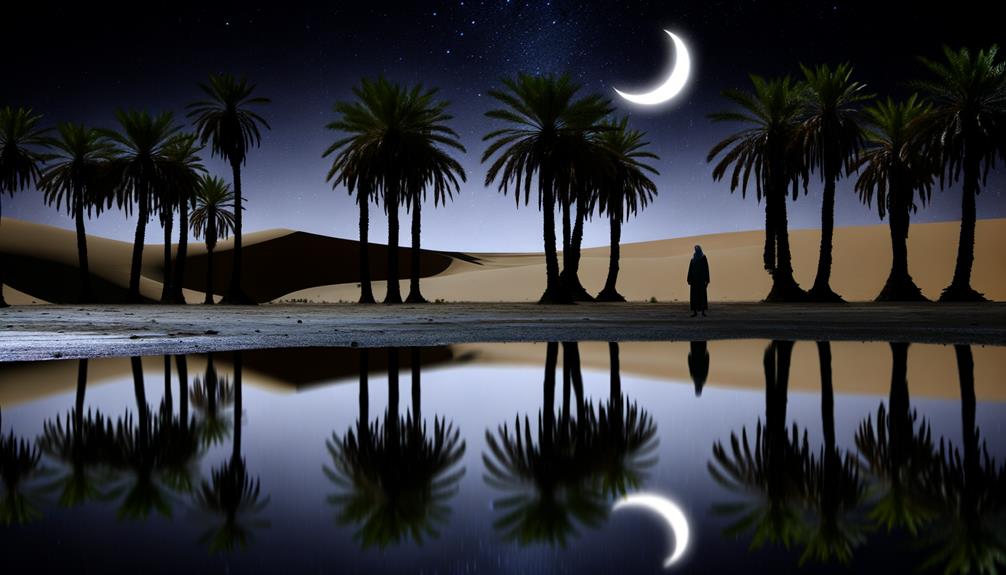
The name Samir possesses deep cultural and historical resonance, derived from both Arabic and Sanskrit roots. In Arabic, it translates to ‘companion in evening talk’, reflecting traditions of companionship and storytelling. In Sanskrit, it means ‘wind’ or ‘air’, symbolizing the crucial life force. Across Middle Eastern and South Asian cultures, Samir epitomizes the essence of social bonds and the transmission of knowledge.
The name Samir possesses deep cultural and historical resonance, derived from both Arabic and Sanskrit roots. In Arabic, it translates to 'companion in evening talk', reflecting traditions of companionship and storytelling.
In Sanskrit, it means 'wind' or 'air', symbolizing the crucial life force. Across Middle Eastern and South Asian cultures, Samir epitomizes the essence of social bonds and the transmission of knowledge.
The name's universality is evident through its enduring appeal and adaptability across different regions. As we explore further, the rich tapestry of meanings and cultural narratives associated with Samir reveal its profound significance.
Key Takeaways
- The name Samir has Arabic and Sanskrit origins.
- In Arabic, Samir means 'companion in evening talk.'
- In Sanskrit, Samir means 'wind' or 'air.'
- The name symbolizes companionship and the transmission of knowledge.
- Samir has cultural significance in storytelling and social bonds.
Origins of the Name
The name Samir, with its roots in Arabic and Sanskrit, carries profound historical and cultural significance across different regions and languages.
In Arabic, Samir (سمير) derives from the word 'sāmīr,' often interpreted as 'companion in evening talk' or 'entertaining companion.' This reflects the ancient tradition of evening gatherings where stories and wisdom were shared.
In Sanskrit, the name holds meanings such as 'wind' or 'air,' symbolizing a life-force or an essential element. Historically, these interpretations have shaped the name's widespread adoption, embedding it deeply in various cultural narratives.
The convergence of these etymological roots underscores the name's universal appeal, resonating with themes of companionship, essentiality, and the transmission of knowledge.
Arabic Cultural Significance
In Arabic culture, the name Samir holds a prestigious position, symbolizing the revered role of a storyteller or an engaging conversationalist who fosters social bonds through evening dialogues.
Linguistically, the name derives from the Arabic root 's-m-r,' which is associated with late-night conversations.
Historically, Samir epitomizes the oral traditions that are central to Arab societies, where tales, wisdom, and histories are passed down through spoken word.
Culturally, a Samir is not merely a raconteur but an essential figure in maintaining communal cohesion and shared heritage.
Sanskrit Interpretations
While the name Samir holds significant cultural weight in Arabic traditions, it also carries profound meanings in Sanskrit, where it is often associated with the concept of companionship and the gentle, soothing qualities of a breeze.
In Sanskrit, 'Samir' (समीर) is derived from the root 'samira,' meaning wind or air, symbolizing life force and the breath of life. Historically, the name evokes the serene and nurturing aspects of nature, embodying a sense of tranquility and harmony.
Culturally, it is revered for its poetic resonance and is often used in classical literature to depict a companion who brings solace and peace. This dual heritage enriches the name Samir, making it a bridge between diverse cultural and linguistic traditions.
Symbolism and Meaning
Exploring the symbolism and meaning of the name Samir reveals its rich tapestry of cultural, linguistic, and historical layers, each contributing to its profound resonance. Derived from the Arabic and Sanskrit languages, Samir carries multifaceted connotations.
In Arabic, it signifies 'companion in evening talk,' reflecting a tradition of nightly storytelling. Meanwhile, in Sanskrit, it means 'wind' or 'air,' symbolizing life and movement. The name also appears in Persian poetry, where it often conveys a sense of camaraderie and intellectual exchange.
- Arabic: Companion in evening talk
- Sanskrit: Wind or air
- Persian: Symbol of camaraderie
These diverse interpretations highlight Samir's profound cultural significance and enduring appeal.
- Cultural: Emphasizes storytelling
- Historical: Enriches literary traditions
Popularity Over Time
The name Samir has experienced varying degrees of popularity throughout history, influenced by regional and cultural factors. Its resonance in different parts of the world, from South Asia to the Middle East, showcases the impact of linguistic and cultural interplay on naming trends.
Understanding these fluctuations offers valuable insights into the broader socio-cultural contexts that shape the adoption and endurance of names.
What Should You Know About Historical Popularity Trends?
Tracing the historical popularity of the name Samir reveals its enduring significance across various cultures and eras. Rooted in both Arabic and Sanskrit origins, Samir has transcended linguistic boundaries, weaving itself into the fabric of diverse societies. Its timeless appeal can be observed through several historical lenses:
- Ancient Middle Eastern texts: Frequently mentioned in literary works, reflecting its cultural resonance.
- Medieval Persian poetry: Highlighted for its lyrical elegance and evocative meanings.
- Mughal court records: Showcasing its prevalence among nobility and scholars.
- 20th-century global migration patterns: Evidencing its spread and adaptation in new regions.
- Modern digital databases: Tracking its persistence and resurgence in contemporary naming trends.
Samir's historical trajectory underscores a name that is both rich in heritage and adaptable to changing times.
What Should You Know About Regional Popularity Variations?
Examining the regional popularity variations of the name Samir reveals how its cultural resonance and adaptability have manifested distinctly across different geographical landscapes and time periods. Historically, Samir has seen widespread use in Arabic-speaking countries, reflecting its deep-rooted linguistic and cultural significance. However, its adoption in Western nations has grown steadily, influenced by immigration and increased cultural exchange.
| Region | Peak Popularity Period | Notable Factors |
|---|---|---|
| Middle East | 20th Century | Traditional and cultural ties |
| Western Europe | Late 20th Century | Immigration and cultural exchange |
| North America | Early 21st Century | Globalization and media influence |
This table highlights how the name's journey across continents encapsulates broader social and cultural dynamics.
What Should You Know About Cultural Influence on Popularity?
Cultural dynamics and historical contexts have profoundly influenced the fluctuating popularity of the name Samir over time. This name, rooted in Arabic origins, has seen its prominence rise and fall due to various social and geopolitical factors. For instance, the following have greatly impacted its popularity:
- Immigration Patterns: Waves of Middle Eastern and South Asian immigrants.
- Media Representation: Characters in films and literature embodying the name.
- Political Climate: Global events affecting perceptions of Middle Eastern culture.
- Religious Influence: Islamic and Hindu traditions promoting the name.
- Linguistic Evolution: Adaptations and variations in different languages.
Famous Personalities Named Samir
Among the notable individuals named Samir, several have achieved significant acclaim in various fields such as literature, politics, and the arts.
Samir Amin, a distinguished Egyptian economist, made substantial contributions to political economy and development theory, influencing global economic discourse.
In the domain of literature, Samir Kassir, a Lebanese-French journalist and historian, is celebrated for his insightful writings on Arab identity and politics.
The world of cinema boasts Samir Soni, an Indian actor and director known for his versatile performances and directorial ventures.
These personalities, hailing from diverse cultural backgrounds, underscore the widespread impact of figures named Samir, illustrating the name's historical and cultural resonance across different domains of human achievement.
Variants and Similar Names
The name Samir, rich in linguistic and cultural significance, exhibits various regional variants such as Sameer in South Asia and Samira in Arabic-speaking countries. These differences often reflect historical interactions and the evolution of language across geographies.
Additionally, names like Samara and Semir are related through etymological roots, further illustrating the widespread influence and adaptation of the name.
What Should You Know About Common Variants Explained?
Although the name Samir is universally recognized, its variants such as Samira, Sameer, and Semir reflect the rich tapestry of linguistic evolution and cultural interchange. These variations provide a window into the cultural and historical nuances that shape names across different regions and languages.
- Samira: A feminine form prevalent in Arabic and Persian cultures, meaning 'companion in evening talk.'
- Sameer: A common variant in South Asia, often spelled with an additional 'e' to emphasize its phonetic distinction.
- Semir: Found in Balkan regions, showcasing the Slavic influence on the name.
- Samir: Maintains its primary form in the Middle East, retaining its original Arabic significance.
- Samire: Another feminine form, particularly used in Albanian communities, highlighting regional adaptations.
Understanding these variants underscores the name's global resonance.
What Should You Know About Regional Name Differences?
Exploring regional name differences reveals a fascinating interplay of linguistic adaptations and cultural influences that shape the variants and similar names of Samir across diverse geographies. This name, deeply rooted in Arabic culture, morphs into various forms as it traverses different regions, reflecting unique phonetic and orthographic patterns. For instance, in South Asia, it is commonly rendered as 'Sameer', while in Eastern Europe, one might encounter 'Samir' with slight pronunciation shifts. Such variations not only highlight regional linguistic characteristics but also underscore cultural interconnections.
| Region | Variant/Similar Name | Cultural Notes |
|---|---|---|
| South Asia | Sameer | Popular in India and Pakistan |
| Eastern Europe | Samir | Minor pronunciation differences |
| Middle East | Samir | Mainly Arabic with traditional ties |
| North Africa | Samir | Common in Arabic-speaking countries |
These distinctions enrich the name's global resonance.
What Should You Know About Related Names Overview?
Amidst the rich tapestry of linguistic evolution and cultural exchange, the name Samir finds its variants and similar names, such as Sameer and Sami, reflecting distinct yet interconnected legacies across different regions.
These names share a common etymological root but evolve uniquely according to regional dialects and cultural influences. For instance, in Arabic and Persian, the name holds connotations of 'companion in evening talk' and 'entertainer.'
- Sameer: A variant commonly used in South Asia, particularly in India and Pakistan.
- Sami: Popular in Turkey and Arabic-speaking countries.
- Samira: A feminine form prevalent in Middle Eastern and North African cultures.
- Samy: A modern, abbreviated version used globally.
- Shamir: A Hebrew variant with a distinct cultural significance.
These variations highlight the name's adaptability and enduring appeal.
Conclusion
The name Samir carries rich cultural and historical significance. In Arabic, it denotes a jovial companion, while in Sanskrit, it signifies a gentle breeze.
This name has seen fluctuating popularity, with a significant increase in use in Western countries since the 1980s. This trend underscores the growing appreciation for multicultural names in a globalized world.
Additionally, Samir has been adopted by various prominent figures, further enhancing its cultural resonance.