Lorraine Name Meaning in English
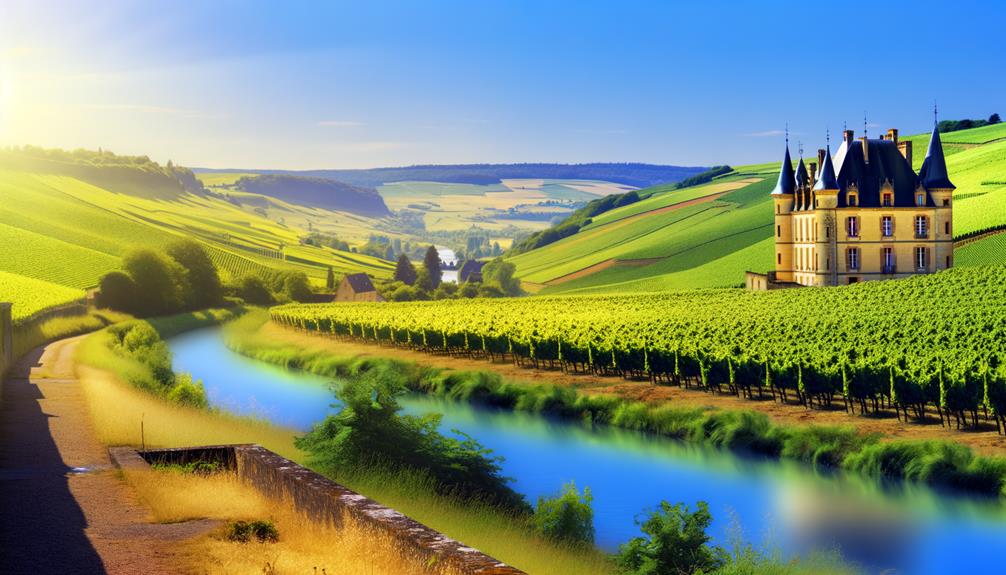
The name Lorraine originates from the medieval region of Lorraine in northeastern France. It derives from the Latin term ‘Lotharingia,’ meaning ‘territory of Lothar,’ named after King Lothair II, who ruled the area during the Carolingian period. Lorraine’s historical significance is tied to its strategic geopolitical position, influencing European conflicts and diplomatic boundaries. Over centuries, the name has come to symbolize nobility, strength, and resilience, frequently appearing in literature and popular culture.
The name Lorraine originates from the medieval region of Lorraine in northeastern France. It derives from the Latin term 'Lotharingia,' meaning 'territory of Lothar,' named after King Lothair II, who ruled the area during the Carolingian period.
Lorraine's historical significance is tied to its strategic geopolitical position, influencing European conflicts and diplomatic boundaries. Over centuries, the name has come to symbolize nobility, strength, and resilience, frequently appearing in literature and popular culture.
It peaked in popularity during the mid-20th century and offers various diminutives like Lorrie and Raine. For deeper insights, a thorough exploration of its rich legacy awaits.
Key Takeaways
- Lorraine means 'territory of Lothar,' originating from the Latin term 'Lotharingia.'
- The name derives from the medieval region of Lorraine in northeastern France.
- Lorraine signifies nobility, strength, and resilience.
- It evokes historical and cultural significance tied to European conflicts and dynasties.
- Lorraine conveys elegance and timelessness in contemporary contexts.
Origin of the Name Lorraine
The name Lorraine originates from the medieval region of Lorraine in northeastern France, which derives its name from the Latin term 'Lotharingia.' This term references the kingdom of Lotharingia, named after King Lothair II, who ruled the region during the Carolingian period.
Lorraine's historical significance is rooted in its strategic location, which made it a contested territory among European powers. Over the centuries, Lorraine experienced numerous political and cultural shifts, influencing its linguistic and onomastic heritage. The region's name evolved from 'Lotharingia' to 'Lorraine,' reflecting changes in governance and language.
The adoption of Lorraine as a personal name likely emerged from its association with nobility and its evocative historical legacy.
Meaning of Lorraine
Renowned for its historical and noble connotations, Lorraine signifies a rich legacy tied to the medieval region in northeastern France. The name Lorraine is derived from the Latin term 'Lotharingia,' which means 'territory of Lothar.'
It holds significant cultural weight, symbolizing a region marked by historical events and dynastic importance. The meaning of Lorraine extends beyond its geographical roots, encompassing notions of nobility, strength, and resilience.
In contemporary contexts, the name evokes a sense of elegance and timelessness. This layered significance makes Lorraine a compelling choice for those seeking a name imbued with historical depth and cultural resonance, reflecting both ancestral heritage and aspirational qualities.
Historical Significance
Tracing its roots back to the medieval era, Lorraine's historical significance is anchored in its strategic geopolitical position and its role in various European conflicts. Located at the crossroads of France, Germany, and Belgium, Lorraine has been a coveted territory, leading to its involvement in numerous wars, including the Franco-Prussian War and both World Wars.
The region's control oscillated between French and German powers, reflecting broader continental tensions. Lorraine was also central to the Holy Roman Empire and later, a duchy within the Kingdom of France. Its historical importance is further underscored by the Treaty of Verdun (843 AD), which divided Charlemagne's empire and shaped European political boundaries.
Consequently, Lorraine is emblematic of Europe's complex history and enduring strategic importance.
Lorraine in Literature
The name Lorraine has frequently appeared in literature, often utilized to evoke a sense of nobility or historical significance.
Authors have chosen Lorraine for characters to symbolize resilience and grace, reflecting its regal and geographic connotations.
This literary use underscores the name's enduring appeal and its rich, multifaceted symbolism.
What Should You Know About Lorraine as Character Name?
Often imbued with a sense of elegance and complexity, the name Lorraine has been utilized by numerous authors to craft characters that leave a lasting impression in literary history. This name often denotes a character with depth, sophistication, and a nuanced personality. Historically, Lorraine has appeared in various genres, providing a versatile identity that resonates with readers.
- Classic Literature:
In some classic novels, Lorraine serves as a symbol of grace and aristocracy, often portraying women of high social standing.
- Modern Fiction:
Contemporary authors use Lorraine to depict strong, independent characters, reflecting modern values of empowerment.
- Mystery and Suspense:
The name Lorraine is also employed in mystery genres, adding an air of intrigue and complexity to character development.
Through these uses, Lorraine remains a memorable literary choice.
What Should You Know About Symbolism of Lorraine?
Leveraging its literary versatility, Lorraine also carries a wealth of symbolism that enriches its usage in literature. Historically, Lorraine represents a region in northeastern France, evoking images of medieval chivalry, resilience, and cultural convergence. These associations make the name a potent symbol in literary works, often embodying themes of strength, nobility, and complexity.
In literature, characters named Lorraine may be crafted to reflect these multifaceted qualities, providing depth and historical resonance. Additionally, the name's French origin adds an element of romanticism and elegance, further enhancing its literary appeal.
This layered symbolism allows authors to infuse their narratives with a rich tapestry of historical and cultural allusions, making Lorraine a compelling choice for character development and thematic exploration.
Popularity Over Time
The name Lorraine has experienced fluctuating levels of popularity over the decades, with its peak usage occurring in the mid-20th century.
Historical data indicates that Lorraine was a favored choice in the 1940s and 1950s, aligning with broader naming trends of that era.
In contrast, modern usage statistics reveal a significant decline, reflecting contemporary shifts in naming preferences.
What Should You Know About Historical Popularity Trends?
Throughout the 20th century, the name Lorraine experienced fluctuating levels of popularity, reflecting broader cultural and societal trends. Initially gaining traction in the early 1900s, Lorraine saw a notable rise in usage, particularly during the interwar period. This trend can be attributed to several factors:
- Cultural Influence: The name Lorraine became fashionable partly due to its association with the French region, which held romantic and historical significance.
- Historical Events: Post-World War I, Lorraine's popularity surged, possibly as a tribute to the region's liberation from German control.
- Media and Literature: The name featured in various literary works and films of the mid-20th century, further embedding it in popular culture.
These factors collectively contributed to the name's oscillating popularity throughout the century.
What Should You Know About Modern Usage Statistics?
In recent decades, the name Lorraine has seen a decline in popularity, reflecting shifting naming trends and cultural preferences. According to data from the Social Security Administration, Lorraine was a favored choice in the early to mid-20th century, peaking in the 1920s and 1930s.
However, by the 1980s, its usage began to wane considerably. Contemporary naming conventions lean towards more modern or unique names, diminishing Lorraine's prevalence. By the 2000s, Lorraine had largely fallen out of the top 1,000 names for newborn girls in the United States.
This decline highlights broader sociocultural shifts, where traditional names often give way to innovative or culturally diverse options, reflecting evolving tastes and global influences in baby naming practices.
Famous People Named Lorraine
Prominent individuals bearing the name Lorraine have made significant contributions across various fields, including literature, entertainment, and politics. These accomplished figures demonstrate the versatility and impact of those named Lorraine.
- Lorraine Hansberry: An influential playwright, Hansberry is best known for her work 'A Raisin in the Sun,' which was the first play on Broadway written by an African-American woman. Her writings address critical social issues, including racial discrimination and housing inequality.
- Lorraine Bracco: This acclaimed actress gained recognition for her roles in 'Goodfellas' and the television series 'The Sopranos.' Her performances have earned her numerous award nominations.
- Lorraine H. Morton: Serving as the first African-American mayor of Evanston, Illinois, Morton's political career is marked by her commitment to community development and educational reform.
Cultural Impact
The name Lorraine frequently appears in various cultural contexts, symbolizing both historical significance and contemporary relevance.
Historically, Lorraine is a region in France, reflecting a rich tapestry of European history and politics. This geographic connection lends an air of nobility and antiquity to the name.
In literature and media, Lorraine often embodies characters who are strong, graceful, and resilient, reinforcing its dignified connotations. The name also permeates popular culture, from classic films to modern television series, enhancing its familiarity and appeal.
Additionally, Lorraine's utilization in music and art further underscores its cultural resonance, making it a timeless choice that bridges the past with the present.
Hence, the name Lorraine continues to hold a multifaceted cultural impact.
Variations and Nicknames
Exploring the variations and nicknames of the name Lorraine reveals a rich tapestry of linguistic and cultural adaptations. Historically, Lorraine has evolved through various forms and diminutives, reflecting the diverse influences across regions and languages. These variations and nicknames not only signify familiarity but also exhibit linguistic creativity and regional preferences.
- Lorrie: This diminutive form is commonly used in English-speaking countries, offering a casual and affectionate alternative.
- Raine: A more modern and stylistic variation, Raine emphasizes the latter part of the name, providing a fresh yet recognizable twist.
- Lara: Though not a direct shortening, Lara is sometimes used as a related nickname, blending seamlessly into different linguistic backgrounds.
Each variation and nickname enriches the cultural significance of Lorraine.
Choosing Lorraine Today
Selecting the name Lorraine today involves considering its historical significance, cultural resonance, and modern adaptability. Historically, Lorraine has roots in the medieval Duchy of Lorraine in France, evoking images of nobility and heritage. Culturally, the name carries a timeless elegance, often associated with classic literature and notable personalities. Modern adaptability is reflected in its versatility, fitting seamlessly into contemporary contexts while retaining a touch of vintage charm.
| Aspect | Historical Significance | Modern Adaptability |
|---|---|---|
| Origin | Medieval Duchy of Lorraine, France | Fits contemporary settings |
| Cultural Resonance | Classic literature, notable figures | Timeless elegance |
| Popularity | Peaks in early 20th century | Steady, understated usage |
| Variations | Loraine, Lorena | Numerous nicknames |
| Appeal | Noble, historical | Vintage charm |
Thus, Lorraine offers a balanced blend of tradition and modernity.
Conclusion
To wrap up, the name Lorraine carries rich historical and cultural significance, originating from the region of Lorraine in France. Its meanings, both geographical and symbolic, have influenced literature and popular culture.
How has the historical prominence of Lorraine shaped its modern-day usage? The name's variations and enduring popularity underscore its timeless appeal, while notable individuals named Lorraine contribute to its lasting legacy.
Lorraine remains a distinguished choice for those seeking a name with depth and historical resonance.