Meaning of the Name Kiva
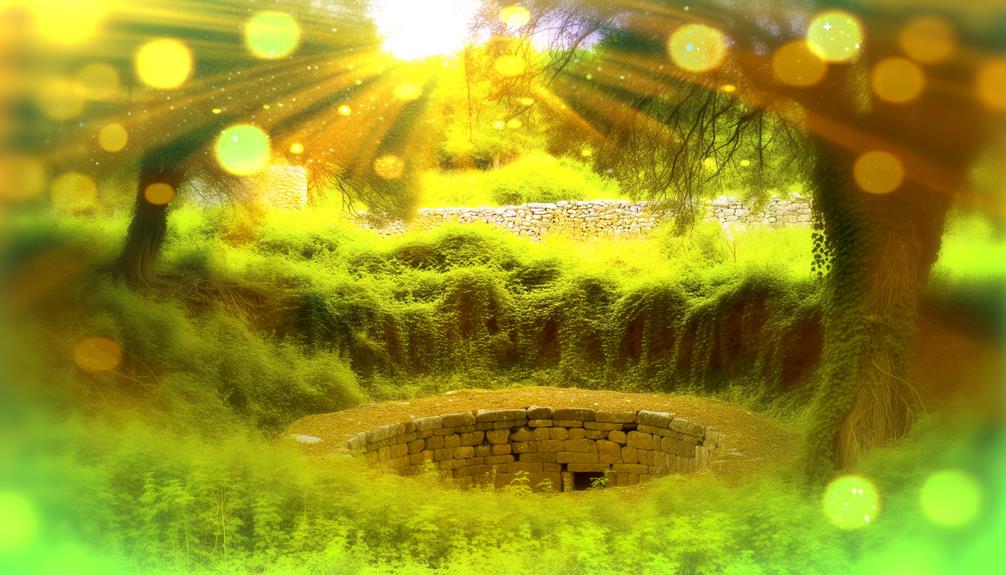
The name Kiva originates from the Hopi language and is deeply embedded in Puebloan cultural practices. It signifies sacred spaces used for communal and ceremonial purposes.
Architecturally, kivas are typically circular and subterranean, symbolizing the Earth's womb and fostering communal cohesion. In broader spiritual contexts, kivas represent cosmic connections and are central to rituals and traditions.
Modern naming trends show that Kiva has gained popularity, particularly in regions with recognized Indigenous practices. Personal narratives highlight its profound impact, linking individuals to their heritage and instilling a sense of identity and empowerment.
Discover more about how this name encapsulates rich cultural and spiritual dimensions.
Key Takeaways
- The name Kiva is rooted in Puebloan cultural practices and is believed to originate from the Hopi language.
- Kiva symbolizes sacred space, communal and ceremonial purposes, and spiritual practices in Puebloan culture.
- Architecturally, Kiva represents the womb of the Earth, symbolizing creation, rebirth, and communal cohesion.
- The name connects past generations with the present, maintaining cultural identity and continuity.
- Modern usage of Kiva reflects its cultural significance, with a resurgence in popularity due to its unique and symbolic meaning.
Historical Origins
The name 'Kiva' has its historical origins rooted in the cultural and architectural practices of the Pueblo peoples of the American Southwest. These subterranean rooms were integral components of Puebloan settlements, meticulously designed for communal and ceremonial purposes.
Architecturally, Kivas are characterized by their circular or rectangular shapes, often incorporating roof openings for access. Constructed using local materials like adobe, stone, and timber, they reflect the Puebloans' adeptness in environmental adaptation. The term itself is believed to stem from the Hopi language, encapsulating both functional and symbolic aspects of these spaces.
Historically, Kivas served not only as communal gathering points but also as focal points for social cohesion and spiritual practices, underscoring their multifaceted significance in Pueblo society.
Cultural Significance
Integral to the spiritual and communal life of the Pueblo peoples, Kivas serve as profound symbols of cultural identity and continuity. These subterranean chambers facilitate essential communal functions, including governance, education, and spiritual practices.
The architectural design of Kivas, typically circular and constructed with meticulous craftsmanship, underscores their role in fostering communal cohesion and preserving ancestral knowledge. Their use extends beyond mere physical spaces, embodying a repository of cultural narratives, traditional wisdom, and collective memory.
The significance of Kivas lies in their ability to connect past generations with the present, reinforcing a sense of unity and shared purpose. Through their continued use and preservation, Kivas remain crucial in maintaining the cultural fabric of Pueblo societies.
Symbolism in Ceremonies
Central to the ceremonies held within Kivas are various symbolic elements. Intricate sand paintings, sacred artifacts, and ritualistic dances serve to embody and communicate spiritual beliefs and cosmological principles.
Sand paintings, with their ephemeral nature, represent the transient aspect of life and the universe. Sacred artifacts, often passed down through generations, symbolize continuity and connection with ancestors. Ritualistic dances, meticulously choreographed, are imbued with meanings that convey myths, seasonal cycles, and the interdependence of humanity and nature.
These elements collectively create a rich tapestry of symbolism, allowing participants to engage deeply with their spiritual heritage and cosmological understanding. The Kiva hence becomes a microcosm, reflecting the larger universe and reinforcing communal and spiritual bonds.
Modern Usage
In contemporary settings, the name Kiva has seen varied applications, reflecting shifts in cultural significance and modern naming trends. Its popularity fluctuates across different regions, influenced by factors such as local traditions and global connectivity.
Analyzing these trends provides insight into how the historical and symbolic roots of the name are being interpreted today.
Contemporary Naming Trends
The name Kiva has seen a resurgence in popularity in recent years, reflecting broader trends in naming that emphasize cultural significance and unique phonetic qualities. This uptick correlates with a growing appreciation for names that are both meaningful and distinctive. Contemporary parents are increasingly drawn to names that transcend conventional boundaries and embody a sense of individuality.
| Attribute | Trend Analysis |
|---|---|
| Cultural Significance | High |
| Phonetic Appeal | Strong |
| Uniqueness | Increasing |
| Popularity Growth | Steady Rise |
This analytical perspective reveals that Kiva's appeal lies in its blend of historical depth and modern resonance. The name's phonetic simplicity yet profound cultural roots make it a compelling choice for a diverse range of parents.
Cultural Significance Today
Building on the contemporary trends that highlight Kiva's phonetic appeal and cultural significance, its modern usage further underscores its resonance in today's multicultural landscape. The name Kiva is increasingly embraced for its unique blend of historical depth and modern simplicity. It is particularly remarkable in three key areas:
- Naming Trends: Parents are drawn to Kiva for its distinctive sound and cultural richness, making it a popular choice for newborns.
- Cultural Institutions: The name is utilized by organizations and initiatives, symbolizing community, resilience, and heritage.
- Literary and Artistic Works: Kiva appears in various media, reflecting its growing acceptance and symbolic value in storytelling and artistic expressions.
These facets collectively illuminate Kiva's enduring and evolving cultural significance.
Popularity Across Regions
How has the name Kiva gained traction globally, and what regional variations in its popularity can be observed?
The name Kiva, originally rooted in Native American culture, has seen a steady rise in global recognition due to increased interest in unique and culturally significant names.
In the United States, the name has found favor particularly among parents seeking non-traditional options.
In contrast, European countries like Sweden and Germany have seen a more restrained adoption, often influenced by cultural preservation norms.
In Australia and New Zealand, the name's growth parallels broader societal trends toward embracing indigenous terms.
Such regional variations underscore how local cultural contexts influence the adoption of unique names like Kiva, reflecting diverse global attitudes toward cultural integration and identity.
Spiritual Connotations
The name Kiva carries profound spiritual connotations, particularly in its association with sacred space symbolism and cultural spiritual practices.
Historically, Kivas are subterranean chambers utilized by Puebloan peoples for religious ceremonies, embodying a connection between the earthly and the divine.
This symbolic representation underscores the role of Kivas as focal points in communal spiritual life, reflecting deep-seated traditions and rituals.
Sacred Space Symbolism
Often regarded as a sanctified enclosure, a kiva serves as a profound symbol of spiritual and communal connection in many Indigenous cultures of the American Southwest.
The architectural and symbolic elements of a kiva encapsulate several spiritual connotations:
- Cosmic Connection: The circular design and subterranean nature of kivas are believed to facilitate a direct link between the earthly domain and the spiritual cosmos.
- Ritual Centrality: Kivas often function as focal points for ceremonies, embodying a space where sacred rites and communal gatherings occur, reinforcing social cohesion.
- Symbolic Architecture: The sipapu, a small hole in the floor, symbolizes the portal through which ancestors emerged, highlighting the kiva's role in connecting past, present, and future generations in spiritual continuity.
Cultural Spiritual Practices
Delving into the cultural spiritual practices associated with kivas reveals a rich tapestry of rituals and beliefs that underscore their integral role in the spiritual lives of Indigenous communities. Kivas serve as the epicenter for ceremonies, including initiation rites, seasonal celebrations, and communal decision-making.
These subterranean structures facilitate a connection between the earthly domain and the spiritual world, embodying a ceremonial space where participants engage in prayer, storytelling, and sacred dances. The architecture itself, often circular and subterranean, symbolizes the womb of the Earth, reinforcing themes of creation and rebirth.
The significance of these practices lies in their ability to foster communal cohesion and spiritual continuity, anchoring the community's cultural identity through generations.
Name Popularity
In examining the popularity of the name Kiva, statistical data reveal significant trends and fluctuations over recent decades. The name has experienced varying degrees of usage, influenced by cultural shifts and regional preferences. Detailed analysis highlights the following key points:
- Rise in Popularity (2000-2010):
The name saw increased usage during the early 2000s, possibly due to growing interest in unique and culturally significant names.
- Geographical Variance:
The name Kiva is more prevalent in certain regions, particularly where Indigenous and spiritual practices are more recognized.
- Recent Decline:
Over the past decade, there has been a noticeable decline in the name's popularity, which may reflect broader naming trends favoring more traditional or universally recognized names.
These patterns offer valuable insight into the dynamic nature of name popularity.
Personal Stories
While statistical data provide a quantitative overview of the name Kiva's popularity, personal stories offer a qualitative perspective that enriches our understanding of its cultural and emotional significance. Individuals named Kiva often share unique narratives that highlight the name's impact on their identity and experiences. These stories reflect the name's rich heritage and profound influence.
| Story Contributor | Key Experience |
|---|---|
| Kiva J. | Found empowerment in its meaning |
| Kiva R. | Connected with heritage deeply |
| Kiva S. | Strengthened personal identity |
For Kiva J., the name instilled a sense of empowerment, aligning with its meaning of "shelter" or "protection". Kiva R. experienced a profound connection to their cultural roots, while Kiva S. found that the name fortified their personal identity. Such testimonials underscore the name's significant resonance in personal and cultural contexts.
Conclusion
The name 'Kiva' serves as a rich tapestry, interweaving historical origins, cultural significance, and spiritual connotations. Its symbolism in ceremonies reflects deep communal values, while its modern usage and fluctuating popularity illustrate an evolving legacy.
The name acts as a vessel, carrying the weight of ancestral traditions and contemporary interpretations alike. As a beacon illuminating both past and future, 'Kiva' continues to resonate, embodying a bridge between ancient wisdom and modern identity.