Meaning of the Name Eleni
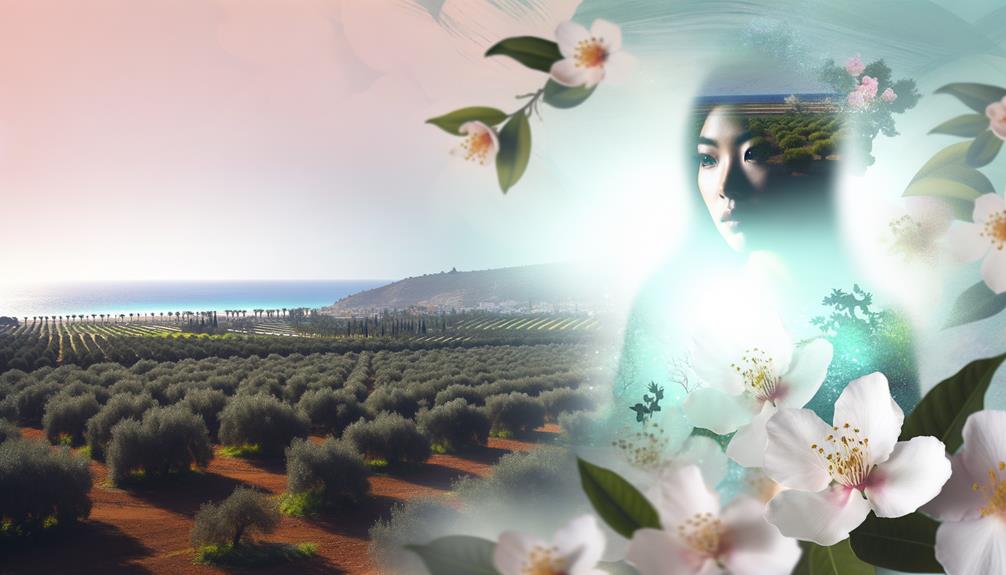
The name Eleni, stemming from ancient Greek heritage, is derived from the classical name Helenē. Historically, it is closely associated with Helen of Troy, a central figure in Greek mythology celebrated for her beauty and the epic Trojan War.
Linguistically, Eleni signifies illumination and brilliance, reflecting its deep-rooted connections to legacy and enlightenment. Culturally, the name is revered in Eastern Orthodox Christianity and symbolizes guidance, strength, and resilience.
Its modern popularity signifies a blend of tradition and contemporary appeal, bridging ancient Greek culture with today's trends. Explore further to uncover its multifaceted significance and application across eras and geographies.
Key Takeaways
- Eleni is derived from the Greek name Helenē, meaning 'light' or 'torch.'
- It is associated with Helen of Troy, symbolizing beauty and conflict.
- The name carries connotations of illumination and brilliance.
- Eleni is popular in Greece and Cyprus, reflecting strong cultural heritage.
- It embodies qualities of beauty, grace, and resilience.
Historical Origins
Rooted in ancient Greek heritage, the name Eleni finds its origins in the classical name Helenē, which is famously associated with Helen of Troy.
Linguistically, Helenē is derived from the Greek word 'helē,' meaning 'torch' or 'light,' symbolizing illumination and beauty.
Historically, the name gained prominence through texts of Homeric epics, indicating its deep-seated cultural relevance in Greek society.
Eleni, the modern variant, retains this historical gravitas and cultural significance, often signifying beauty and radiance in contemporary Greek culture.
This name has persisted through centuries, reflecting the enduring influence of Greek classical civilization on modern naming conventions.
Consequently, Eleni not only embodies a rich historical tapestry but also continues to resonate in modern cultural contexts.
Greek Mythology
Given its origins in the classical name Helenē, Eleni is intrinsically linked to Greek mythology, where Helen of Troy stands as a central figure embodying beauty and the cause of the Trojan War.
Helen, often described as the most beautiful woman in the world, was pivotal in ancient mythological narratives, symbolizing both allure and discord. This association imbues the name Eleni with deep cultural resonance, reflecting themes of aesthetic perfection and the complexities of human desire.
Historically, Helen's story has permeated various art forms, from Homeric epics to classical tragedies, underscoring the name's enduring significance. Consequently, Eleni not only carries a linguistic heritage but also a rich tapestry of mythological and cultural connotations that continue to influence contemporary perceptions.
Linguistic Roots
The name Eleni finds its origins in the Greek language, where it is derived from the ancient name Helenē (Ἑλένη).
Historically, this name has evolved through various forms and adaptations, reflecting the linguistic shifts within Greek and other languages over centuries.
Understanding its etymological journey provides insight into the cultural and historical significance embedded within the name.
Greek Language Origins
Eleni, a name deeply embedded in Greek tradition, finds its etymological roots in the ancient Greek word 'Helene,' which is often associated with meanings such as 'torch' or 'bright light.'
This linguistic origin reflects the importance of light in Greek culture, symbolizing knowledge, purity, and guidance. The term 'Helene' itself is derived from the Indo-European root *swel-, meaning 'to burn' or 'shine,' indicating its primordial significance.
Within the historical context, names bearing this root were likely seen as auspicious, embodying qualities of radiance and enlightenment. Culturally, the name Eleni has maintained its relevance over millennia, illustrating the enduring legacy of Greek language and its profound impact on personal identity and societal values.
Historical Name Evolution
Tracing its journey through history, the name Eleni has evolved linguistically from its ancient Greek origins, adapting and transforming across various cultures and time periods.
Rooted in the Greek name Ἑλένη (Helénē), meaning 'torch' or 'light,' Eleni signifies illumination and brilliance.
As it spread through Byzantine and medieval eras, the name morphed into various forms, such as Helen in English and Elena in Romance languages. Each cultural adoption brought nuanced phonetic and orthographic shifts, reflecting local linguistic patterns.
The name's persistence through centuries underscores its robust cultural resonance, often linked to historical figures like Helen of Troy.
Consequently, the name Eleni embodies a rich tapestry of historical and linguistic significance, transcending geographical and temporal boundaries.
Cultural Significance
Exploring through various cultural landscapes, the name Eleni reveals a rich tapestry of historical and linguistic significance. Rooted in ancient Greek civilization, Eleni is associated with:
- Mythology: Eleni, or Helen of Troy, symbolizes beauty and conflict, echoing tales of epic proportions.
- Religion: Revered in Eastern Orthodox Christianity, Saint Helen, mother of Emperor Constantine, is celebrated for her piety and discovery of the True Cross.
- Language: Deriving from the Greek word 'helene,' meaning torch or light, Eleni embodies illumination and guidance.
These dimensions underscore its profound cultural resonance, reflecting values and narratives that transcend time and geography. Understanding Eleni's multifaceted significance offers insight into how names can encapsulate cultural, religious, and historical ethos.
Modern Popularity
In contemporary society, the name Eleni enjoys widespread popularity, reflecting a blend of traditional reverence and modern appeal.
Linguistically, Eleni, derived from the Greek name Helen, signifies 'light' or 'torch,' encapsulating an enduring sense of enlightenment and guidance.
Historically, the name's consistent use in Greek and Mediterranean cultures has translated into a timeless resonance, bridging ancient heritage with contemporary naming trends.
The cultural significance of Eleni is further underscored by its melodic phonetics and easy adaptability across various languages and regions.
This duality of historical depth and modern accessibility explains its prominent standing in today's globalized world, where names serve as markers of identity and continuity.
Eleni's popularity thereby mirrors a collective appreciation for names rich in meaning and versatility.
Famous Namesakes
The name Eleni has been borne by numerous notable individuals across history and contemporary culture, contributing to its enduring legacy. Historically, figures such as Eleni of Ethiopia have underscored the name's regal and influential connotations.
In the domain of modern celebrity, personalities like Eleni Foureira have further popularized the name, showcasing its cultural resonance and global appeal.
Historical Figures Named Eleni
Several historical figures named Eleni have left indelible marks on their respective cultures and eras, enriching the name with a legacy of significance. These individuals, through their lives and contributions, have shaped historical narratives and cultural landscapes.
Among them are:
- Empress Eleni of Ethiopia: Known for her diplomatic prowess and influence during the 15th century, she played a pivotal role in establishing alliances and fostering religious dialogue.
- Saint Eleni (Helen of Constantinople): Revered for her pivotal role in early Christian history, she is credited with discovering the True Cross and promoting Christian relics.
- Eleni of Montenegro: A queen consort of Italy, she was instrumental in humanitarian efforts during World War I, reflecting the name's association with compassion and leadership.
These figures collectively underscore the name Eleni's enduring cultural and historical resonance.
Celebrities Named Eleni
Building upon the rich historical legacy, the name Eleni continues to resonate in contemporary culture through a host of well-known celebrities who have brought their own unique contributions to the arts, entertainment, and public life. Among these, Eleni Menegaki, a prominent Greek television presenter, stands out for her significant influence on modern media. Her charismatic presence and professional achievements underscore the enduring appeal of the name.
Similarly, Eleni Foureira, a celebrated pop singer, has garnered international acclaim, particularly for her dynamic performances in the Eurovision Song Contest. These contemporary figures not only highlight the name's historical depth but also its enduring relevance, reflecting a blend of cultural tradition and modern innovation that continues to captivate audiences worldwide.
Conclusion
To sum up, the name Eleni embodies a rich tapestry of historical origins, linguistic roots, and cultural significance. Emerging from Greek mythology and evolving through linguistic transformations, Eleni holds a timeless appeal.
Its modern popularity and association with notable namesakes underscore its enduring charm. Like a well-preserved artifact in a museum, Eleni stands as proof to the intricate interplay of history, language, and culture, resonating with both past and present.