Meaning of the Name Arcadia

The name 'Arcadia' originates from ancient Greece and symbolizes an idyllic pastoral paradise. In Greek mythology, it represents a rural utopia marked by simplicity, purity, and harmonious coexistence with nature.
It is associated with nature gods such as Pan and deities who personified the serene landscapes depicted in Arcadian lore. In literature, Arcadia evokes themes of innocence, escapism, and human connection to nature, offering a stark contrast to urban complexities.
As a name, it carries historical and symbolic richness, embodying a timeless appreciation for natural beauty and philosophical ideals. Discover more about its cultural significance and mystical allure.
Key Takeaways
- Arcadia symbolizes a pastoral paradise and utopian bliss in ancient Greek mythology.
- The name represents simplicity, purity, and harmonious coexistence with nature.
- Arcadia is associated with nature gods like Pan, Hermes, and Artemis.
- It embodies themes of innocence, escapism, and rural utopia in literature.
- The name reflects a timeless quality and growing appreciation for cultural heritage and nature.
Ancient Greek Origins
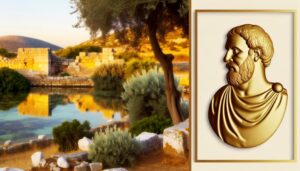
The name 'Arcadia' originates from ancient Greece, specifically deriving from the region known as Arcadia in the central Peloponnesian peninsula. This region was historically characterized by its pastoral landscapes and idealized as a rural paradise in Greek mythology and literature.
Arcadia, often depicted as a land of unspoiled wilderness, was inhabited by shepherds and featured prominently in the works of ancient poets such as Theocritus and Virgil. Its rugged terrain and isolation contributed to its reputation as a utopian retreat, untouched by the complexities of urban life.
The Arcadian ideal influenced Renaissance literature and art, symbolizing an idyllic vision of harmony between humanity and nature. Consequently, Arcadia encapsulates both geographical and cultural significance in historical contexts.
Mythological Significance
The term Arcadia holds profound mythological significance, symbolizing an idyllic pastoral paradise revered in ancient Greek lore. It is depicted as the abode of nature gods, such as Pan, and embodies the quintessential vision of utopian bliss.
This representation underscores Arcadia's enduring legacy as a cultural and philosophical ideal, evoking themes of simplicity, purity, and harmonious coexistence with nature.
Pastoral Greek Paradise
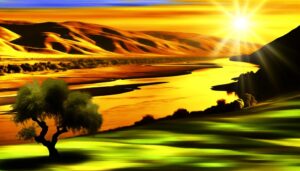
Arcadia, often depicted as a pastoral Greek paradise, embodies an idyllic vision of unspoiled wilderness and harmonious simplicity in classical mythology. This mythological landscape is characterized by its verdant meadows, tranquil rivers, and abundant wildlife, offering a serene escape from urban complexities. The concept of Arcadia became a literary and artistic symbol, representing an unattainable utopia where humans live in perfect harmony with nature.
| Mythological Theme | Description |
|---|---|
| Idyllic Landscape | Verdant meadows, tranquil rivers |
| Symbolism | Utopian vision of harmony with nature |
| Literary Influence | Inspiration for pastoral literature |
Arcadia's allure lies in its timeless representation of natural beauty and pastoral bliss, encapsulating humanity's perennial yearning for a simpler, more harmonious existence.
Home to Nature Gods
Within Arcadia's idyllic landscape, it served as the revered abode of various nature deities in Greek mythology. This region, enveloped by verdant hills and serene valleys, was considered sacred by the ancient Greeks, who believed it to be the dwelling place of gods intimately connected with nature and rustic life.
Arcadia's mythological significance is underscored by its association with several prominent deities, including:
- Pan: The god of the wild, shepherds, and flocks, often depicted playing his panpipes.
- Hermes: The messenger god, who, according to some myths, was born in Arcadia.
- Artemis: The goddess of the hunt, who roamed Arcadian forests.
- Dryads: Tree nymphs inhabiting the region's woods.
- Nymphs: Minor nature deities associated with various natural features.
Symbol of Utopian Bliss
Often idealized as an unspoiled paradise, Arcadia in Greek mythology symbolizes a utopian bliss where harmony with nature reigns supreme.
This idyllic land, situated in the central Peloponnesian region, is depicted as a haven of pastoral simplicity and serene beauty.
Arcadia's mythological significance is reinforced through its association with deities such as Pan, the god of the wild, shepherds, and flocks.
The Arcadian landscape, with its lush meadows and rustic charm, serves as an archetype of an uncorrupted Eden, evoking a longing for a simpler existence.
Literary and artistic traditions have perpetuated this vision, portraying Arcadia as an eternal emblem of peace and contentment, untouched by the complexities and corruptions of advanced civilization.
Arcadia in Literature
The literary representation of Arcadia has long embodied the pastoral ideal, serving as a symbol of unspoiled nature and harmonious simplicity. In the works of poets and authors from Virgil to Sir Philip Sidney, Arcadia is often portrayed as an idyllic landscape that contrasts sharply with the complexities of urban life.
This motif not only underscores themes of innocence and escapism but also reflects deeper philosophical inquiries into human existence and societal constructs.
Pastoral Ideal in Arcadia
In literary tradition, Arcadia has often been depicted as an idyllic, pastoral landscape that embodies the quintessential ideal of unspoiled nature and harmonious rural life. This portrayal, deeply rooted in classical literature, emphasizes simplicity, beauty, and a serene existence, away from the chaos of urbanization.
Arcadia serves as a backdrop for exploring human connection to nature and the pastoral lifestyle, often idealized for its purity and tranquility.
- Pastoral Scenes: Depictions of shepherds, flocks, and lush meadows.
- Harmonious Living: Emphasis on communal harmony and simple pleasures.
- Nature's Beauty: Celebrations of flora and fauna.
- Timelessness: A setting seemingly untouched by time or progress.
- Romanticized Simplicity: An idealized version of rural life, free from modern complexities.
This ideal encapsulates an enduring literary fascination with nature's untouched beauty.
Symbolism and Themes
Arcadia in literature serves as a multifaceted symbol, embodying themes of utopia, nostalgia, and the human yearning for a connection to a purer, more harmonious existence. This idyllic setting often represents an untouched paradise, free from societal corruption and complexities.
Authors like Virgil and Sidney use Arcadia to explore pastoral simplicity and innocence, juxtaposing it against the encroaching realities of civilization. The symbolism extends to a longing for a lost Golden Age, evoking both a critique of contemporary social conditions and a profound existential lament.
Through Arcadia, literature interrogates the dichotomy between nature and culture, urging readers to reflect on the inherent tensions between progress and the preservation of an unblemished, idealized state of being.
Artistic Representations
Numerous artistic representations have historically depicted Arcadia as an idyllic and pastoral landscape, embodying an idealized vision of rural life. These artworks highlight the serene beauty and simplicity of the countryside, often juxtaposing it against the complexities of urban existence. The concept of Arcadia has captivated artists, poets, and writers, inspiring a range of creative expressions that emphasize harmony with nature.
- Paintings: Nicolas Poussin's 'Et in Arcadia Ego' illustrates shepherds in a tranquil setting.
- Literature: Sir Philip Sidney's 'Arcadia' weaves a narrative set in an ideal pastoral land.
- Music: Arcadian themes appear in the compositions of Baroque composers.
- Sculpture: Classical sculptures often idealize rural figures reminiscent of Arcadian shepherds.
- Theater: Pastoral plays frequently depict Arcadia as a utopian refuge.
Modern Usage
In contemporary contexts, the term 'Arcadia' has evolved to symbolize not merely an idyllic rural locale but also a broader conceptual ideal of peace, simplicity, and unspoiled nature. This evolution in meaning is evident in various modern applications, including literature, environmental conservation, and lifestyle branding.
In literature, 'Arcadia' often serves as a metaphor for a utopian world, free from the complexities and corruptions of modern life. Environmental movements invoke 'Arcadia' to advocate for the preservation of natural landscapes and biodiversity.
Additionally, lifestyle brands and wellness initiatives frequently employ the term to market products and experiences that promise tranquility and a return to simpler, more harmonious living. Therefore, 'Arcadia' continues to inspire contemporary visions of an idealized, serene existence.
Symbolism and Meaning
The term 'Arcadia' embodies a rich tapestry of symbolic meanings, drawing from its ancient Greek origins to represent an untouched, pastoral paradise that stands in stark contrast to the chaos of urban life. This idyllic vision has permeated literature, art, and philosophy, serving as a metaphor for an idealized, harmonious existence.
Arcadia symbolizes:
- Nature's purity and tranquility: Unspoiled landscapes exemplifying peace.
- Simplicity and contentment: A life free from materialism and complexity.
- Rural utopia: An agrarian society living in perfect harmony with nature.
- Timeless beauty: Enduring natural splendor that transcends temporal bounds.
- Philosophical ideal: A conceptual framework for an ideal state of being.
These symbolic dimensions underscore Arcadia's enduring allure and its profound impact on cultural narratives.
Popularity as a Name
Over recent decades, the name Arcadia has experienced a resurgence in popularity, reflecting a growing appreciation for its historical and symbolic richness. This revival can be attributed to a renewed interest in classical antiquity and the pastoral ideal that Arcadia represents.
Historically rooted in Greek mythology and literature, the name evokes idyllic landscapes and an unspoiled, harmonious existence. Contemporary parents are drawn to its unique, yet timeless quality, distinguishing it from more common names.
Statistical data from various naming authorities indicate a steady increase in its usage, particularly in regions with strong cultural and literary traditions. This trend underscores a broader movement towards names that embody depth, cultural heritage, and a connection to nature.
Conclusion
The name Arcadia, coincidentally rooted in ancient Greek origins and mythological significance, has traversed through literature, art, and modern usage to embody an idyllic paradise. Its symbolism of pastoral beauty and unspoiled nature remains influential.
The resurgence of Arcadia as a popular name underscores a timeless appeal, reflecting a collective human yearning for an idealized, harmonious existence. This multifaceted heritage enriches its contemporary relevance, intertwining historical depth with modern cultural resonance.