Meaning of the Name Oksana
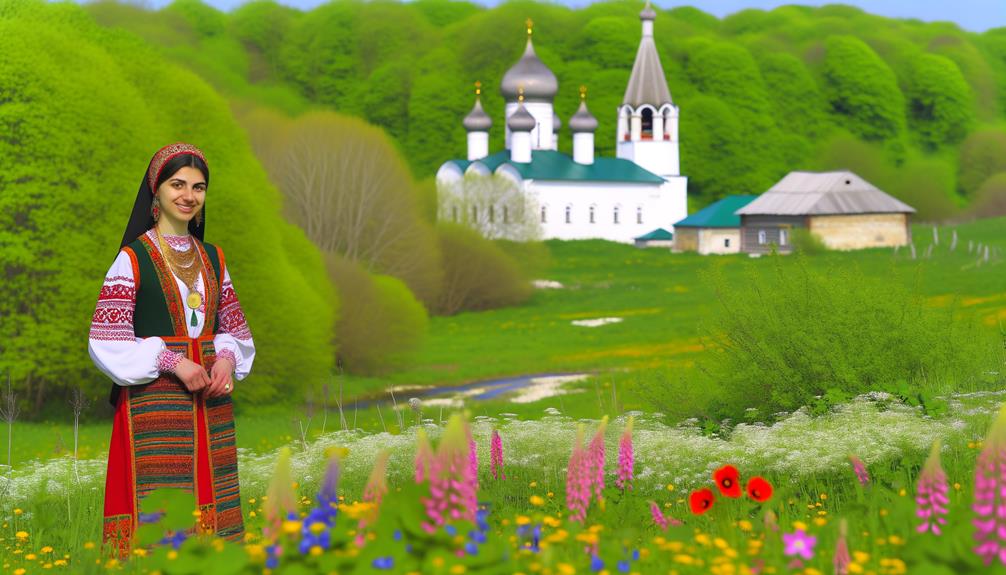
The name Oksana, deeply embedded in Slavic heritage, is the Ukrainian variant of the Greek name Xenia, which translates to 'hospitality' or 'welcoming.' It symbolizes warmth, friendliness, and openness. Historically, it reflects the rich cultural and Orthodox Christian traditions of Ukraine.
The name has been borne by notable figures such as Oksana Baiul, highlighting its enduring appeal. Common diminutives include Oksanka and Ksyusha, prevalent in Eastern Europe.
Its adaptability and graceful resonance make it popular across various cultures. Those interested in its broader implications will uncover a rich tapestry of cultural exchange and historical significance.
Key Takeaways
- The name Oksana is of Slavic origin, rooted in Ukrainian culture.
- It originates from the Greek name Xenia, meaning 'hospitality' or 'welcoming.'
- Oksana signifies warmth, friendliness, and openness.
- It is tied to Ukrainian heritage and Orthodox Christian traditions.
- The name represents grace, benevolence, and cultural inclusivity.
Etymology and Origins
The name Oksana, deeply rooted in Slavic culture, originates from the Ukrainian form of the Greek name Xenia, which means 'hospitality' or 'welcoming.'
This etymology reflects the historical intermingling of Greek and Slavic civilizations, particularly evident during the Byzantine Empire's influence over Eastern Europe. The adaptation of Xenia into Oksana underscores the cultural and linguistic exchanges that shaped Ukrainian identity.
Historically, names derived from significant virtues, such as hospitality, were prevalent, emphasizing communal values. The name's Greek origin highlights the enduring impact of Hellenistic civilization on Slavic nomenclature.
Therefore, Oksana encapsulates a rich tapestry of historical narratives, illustrating the convergence of Greek etymological roots with Ukrainian cultural evolution.
Cultural Significance
The name Oksana holds rich cultural significance, rooted in Slavic history and Orthodox Christian traditions that date back centuries.
It has evolved in modern times, reflecting both enduring heritage and contemporary naming trends.
Exploring its historical background and current usage provides valuable insight into its lasting impact and relevance.
Historical Background and Origins
Rooted in Ukrainian heritage, the name Oksana carries profound cultural and historical significance, tracing back to ancient Slavic traditions. The name is derived from the Greek name Xenia, meaning 'hospitality' or 'guest,' reflecting the value placed on kindness and welcoming strangers in Slavic societies.
Historically, Oksana has been a popular choice among Ukrainian families, symbolizing grace and benevolence. It gained prominence through folklore and literary works, often embodying virtuous and resilient female characters.
In the context of Ukrainian history, Oksana represents not only a cherished name but also a connection to the cultural ethos of hospitality and moral integrity that has been preserved through centuries. This deep-rooted cultural resonance underscores its enduring relevance.
Modern Usage and Trends
In contemporary times, the name Oksana continues to hold substantial cultural significance, reflecting both traditional values and evolving modern identities within Ukrainian society. It remains a popular choice among parents, signifying a connection to heritage and the continuity of cultural practices.
Beyond its prevalence in Ukraine, the name has gained international recognition, partly due to notable figures such as Oksana Baiul, the Olympic gold medalist figure skater, who has brought global attention to the name.
In urban areas, the name Oksana symbolizes a blend of historical resonance and contemporary dynamism, appealing to a new generation that values both cultural roots and modernity. This duality ensures that the name remains relevant and cherished in a rapidly changing world.
Historical Figures Named Oksana
Among the notable historical figures named Oksana, Oksana Shvets stands out as a prominent Ukrainian actress whose contributions to the performing arts have left a lasting impact. Shvets, renowned for her dynamic performances, has greatly influenced Ukrainian theater and cinema. Her dedication to her craft has earned her both national and international acclaim.
Other distinguished individuals named Oksana include:
- Oksana Baiul: The 1994 Olympic gold medalist in figure skating, representing Ukraine, whose grace and technical prowess captivated audiences worldwide.
- Oksana Zabuzhko: A celebrated Ukrainian writer and poet, whose works explore themes of national identity and gender.
- Oksana Lutsyshyna: An award-winning author and poet, contributing profoundly to contemporary Ukrainian literature.
These figures underscore the cultural and historical importance of the name Oksana.
Popularity Over Time
The name Oksana has experienced fluctuating levels of popularity over the decades, influenced by cultural events, notable public figures, and evolving naming trends. Originating from Eastern Europe, particularly Ukraine and Russia, the name saw a rise in recognition during the late 20th century.
This surge was partly due to globally renowned individuals such as Oksana Baiul, the 1994 Olympic figure skating champion. Additionally, the broader geopolitical landscape and increased cultural exchange have played roles in its dissemination.
In recent years, however, the name has seen a decline in mainstream Western countries, reflecting a shift towards more contemporary naming conventions. Nevertheless, Oksana remains a cherished choice within specific communities, preserving its rich cultural heritage.
Variations and Nicknames
Oksana, a name deeply rooted in Eastern European traditions, has several variations and affectionate nicknames that reflect its cultural richness and adaptability. Originating from the Greek name Xenia, Oksana has evolved through centuries of linguistic and cultural transformations.
Common variations and diminutives include:
- Kseniya: A closely related form, often used interchangeably in Russian-speaking regions.
- Oksanka: An affectionate diminutive, commonly employed in Ukrainian and Russian contexts.
- Ksyusha: A popular, endearing nickname, frequently used among friends and family.
These variations and nicknames not only highlight the linguistic diversity within Eastern Europe but also provide insight into the social and familial bonds that are strengthened through the use of such affectionate terms. Their usage underscores the enduring legacy of the name Oksana across generations.
Modern Interpretations
In contemporary times, the name Oksana retains significant cultural resonance, reflecting its Slavic roots while also gaining broader recognition through various media representations.
Its adoption in literature, film, and television has contributed to its sustained popularity and evolving interpretations.
This modern visibility underscores the name's enduring relevance and adaptability within diverse cultural contexts.
Contemporary Cultural Significance
Understanding the contemporary cultural significance of the name Oksana requires an exploration of its resonance within modern contexts, including its representation in media and its association with notable public figures. This name has evolved beyond its Eastern European origins, capturing global attention through various channels:
- Athletic Prowess: Oksana Baiul, the Ukrainian figure skater, brought the name into the international spotlight by winning gold at the 1994 Winter Olympics.
- Artistic Influence: Oksana Grigorieva, a Russian singer-songwriter, has contributed to the name's cultural cache through her musical and cinematic endeavors.
- Political Presence: Oksana Syroyid, a prominent Ukrainian politician, exemplifies the name's association with leadership and governance.
These figures illustrate the multifaceted significance of Oksana in contemporary society.
Popularity in Media
The name Oksana has permeated various facets of modern media, reflecting its versatile appeal through diverse representations in television, film, and literature. This name has found resonance in characters that embody strength, grace, and complexity, bridging cultural narratives and historical contexts.
| Media Type | Example Character |
|---|---|
| Television | Oksana Baiul (Biopic) |
| Film | Oksana (Spy Thriller) |
| Literature | Oksana (Historical Novel) |
| Animation | Oksana (Animated Series) |
Such portrayals have enriched the name's cultural fabric, ensuring its continued relevance and emotional resonance. Each representation adds a layer to the multifaceted identity of Oksana, showcasing its adaptability and enduring charm. The name's presence in media underlines its significance, appealing to audiences across generations and geographies.
Conclusion
The name Oksana, rooted in Ukrainian heritage, symbolizes the enduring spirit of Eastern European culture. Historically significant figures bearing this name have illuminated various fields, reflecting its cultural richness.
Over time, the name's popularity has ebbed and flowed, much like the tides of history itself. Variations and nicknames serve as branches of a deeply rooted tree, each leaf representing a unique interpretation.
This name continues to resonate in modern times, embodying resilience and cultural continuity.