Origin and Meaning of the Name Zachary
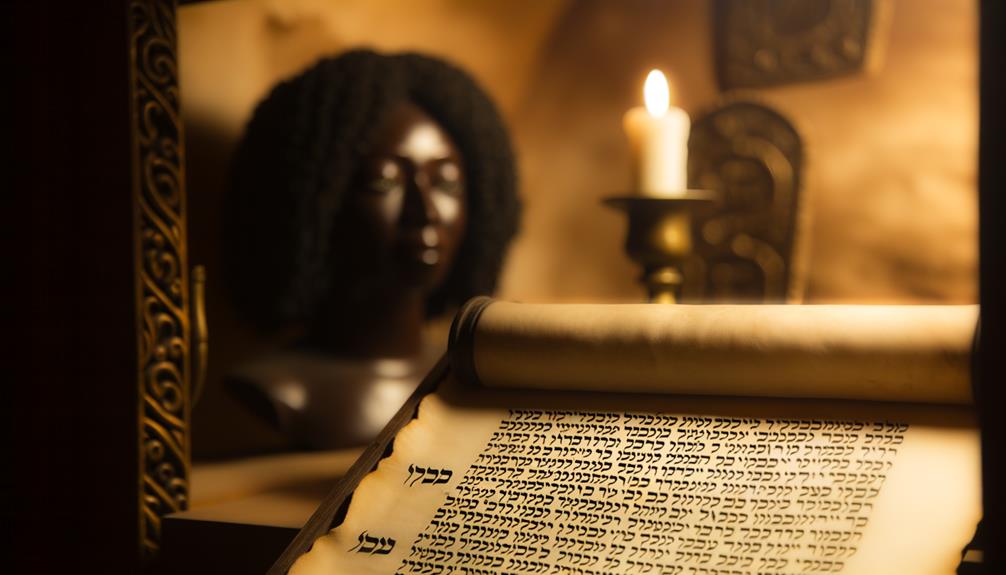
The name Zachary originates from the ancient Hebrew name Zechariah, translating to "Yahweh remembers," a reflection of divine remembrance. Composed of "zakar" (remember) and "Yah" (God), it carries significant religious implications in Judeo-Christian traditions, being borne by prominent biblical figures such as the father of John the Baptist.
The name evolved from Hebrew to Greek as Zacharias, then to Latin, illustrating linguistic adaptation across cultures. In modern times, variations like Zach and Zack are common.
This name's historical and cultural journey continues to impart rich significance and timeless appeal. For a deeper examination, one could explore its linguistic heritage and notable bearers.
Key Takeaways
- Zachary originates from the Hebrew name Zechariah, meaning 'Yahweh remembers.'
- The name reflects divine remembrance and has significant biblical roots.
- Evolved through languages: Hebrew Zechariah, Greek Zakarias, and Latin Zacharias.
- Prominent figures include Zechariah, father of John the Baptist, and U.S. President Zachary Taylor.
- Modern variations like Zach and Zack offer adaptable options, maintaining cultural relevance.
Hebrew Roots of Zachary
Rooted in the ancient Hebrew language, the name Zachary derives from the Hebrew name Zechariah, which translates to 'Yahweh remembers.'
This etymology reflects a profound connection to the divine, emphasizing the act of divine remembrance. The name Zechariah (זְכַרְיָה) is composed of two elements: 'zakar,' meaning 'to remember,' and 'Yah,' a shortened form of Yahweh, the Hebrew name for God.
The linguistic construction of the name underscores its theological and cultural significance within ancient Hebrew society. This historical context reveals the importance of names as carriers of spiritual and communal values.
The transformation from Zechariah to Zachary over centuries showcases the dynamic nature of language and the enduring influence of Hebrew on modern nomenclature.
Biblical References
The name Zachary, deriving from Zechariah, is prominently featured in various biblical texts, where it is often associated with prophetic figures and divine messages.
In the Old Covenant, Zechariah is a significant prophet who contributed to the Book of Zechariah, emphasizing themes of hope and restoration for Israel. The Hebrew name זְכַרְיָה (Zekharyah) translates to 'Yahweh remembers,' underscoring the divine aspect of memory and covenant.
In the New Covenant, Zechariah is the father of John the Baptist, who receives a revelation about his son's future role. This multifaceted presence in both Covenants highlights the name's enduring spiritual and historical resonance, cementing its place as a symbol of divine interaction and prophetic foresight.
Evolution Through Languages
The name Zachary originates from the Hebrew name Zechariah, meaning 'God remembers.'
As it evolved through different cultures, it was adapted into Greek as Zacharias and subsequently into Latin as Zacharias.
In modern times, variations of the name have emerged, reflecting linguistic influences and regional preferences across various languages.
Hebrew Name Roots
Tracing back to its Hebrew origins, the name Zachary derives from the Hebrew name Zechariah, which means 'Yahweh has remembered.' This name holds significant historical and religious connotations within Judaic traditions.
Linguistically, Zechariah is composed of two elements:
- Zakar: Meaning 'to remember.'
- Yah: A shortened form of Yahweh, the Hebrew name for God.
The name Zechariah appears prominently in the Hebrew Bible, often associated with prophets and religious figures.
Over time, the Hebrew name evolved through various languages, maintaining its core meaning while adapting to phonetic and cultural shifts. Its persistent usage underscores its enduring spiritual significance and highlights the fluidity of language across different eras and societies.
Greek and Latin Adaptations
As the name Zechariah migrated from Hebrew to Greek and Latin contexts, it underwent phonetic and morphological transformations reflective of each language's structure and phonology.
In Greek, Zechariah was transliterated as Ζαχαρίας (Zakarias), adapting to Greek phonetic norms which favor smoother consonant clusters and vowel terminations.
Subsequently, as the name entered Latin, it became Zacharias, maintaining the Greek form but adapting to Latin orthographic conventions.
These adaptations not only reflect the phonological systems of Greek and Latin but also underscore the cultural exchange within the Mediterranean region.
The evolution of the name through these languages illustrates how linguistic and cultural interactions shape the adaptation and preservation of names across different societies and historical periods.
Modern Language Variations
Numerous modern languages have further adapted the name Zachary, reflecting both phonetic variations and cultural influences unique to each linguistic context. These adaptations illustrate the dynamic evolution of names across cultures:
- English: Zachary remains popular, often shortened to 'Zach.'
- French: The name becomes “Zacharie,” preserving the original phonetic elements while embracing French orthographic norms.
- Spanish: Transformed into “Zacarías,” it reflects the linguistic tendency towards a more syllabic structure.
- Italian: Rendered as “Zaccaria,” it shows a preference for maintaining historical and biblical connections.
Such linguistic diversity underscores the adaptability of names to various phonetic systems and cultural contexts, highlighting the interplay between language evolution and cultural identity.
Cultural Significance
The name Zachary, derived from the Hebrew name Zechariah, holds significant cultural importance across various historical and religious contexts. In Judeo-Christian traditions, Zechariah is a prominent prophetic figure, whose writings are integral to the Hebrew Bible and Old Scriptures. The name means 'Yahweh remembers,' reflecting its deep spiritual connotations.
Linguistically, the name has transcended its ancient origins, appearing in various forms across numerous cultures, including Zacharias in Greek and Zaccaria in Italian. Historically, the name has been borne by several notable figures, such as Pope Zachary in the 8th century and Zachary Taylor, the 12th President of the United States.
The enduring relevance of Zachary underscores its rich cultural and historical tapestry, spanning millennia and continents.
Popularity Over Time
The name Zachary has experienced fluctuating levels of popularity throughout history, influenced by various cultural and socio-political factors.
Historical popularity trends reveal its prominence in certain eras, while geographic differences highlight its varying appeal across regions.
Additionally, specific events and notable individuals have greatly impacted the name's prevalence over time.
Historical Popularity Trends
Charting the historical popularity of the name Zachary reveals significant fluctuations influenced by cultural, religious, and social dynamics over centuries. This name has experienced varied levels of prominence due to different historical epochs and societal trends.
Specifically:
- Biblical Era: The name Zachary, derived from the Hebrew 'Zechariah,' gained early prominence due to its biblical connections.
- Medieval Period: It saw a decline in use, overshadowed by other traditional names.
- 18th Century: A resurgence occurred, likely influenced by the religious revivals and increased biblical name usage.
- Late 20th Century: Zachary surged in popularity, reflecting broader cultural trends towards unique and historically rich names.
This cyclical pattern underscores the influence of broader historical, cultural, and linguistic shifts on name popularity.
Geographic Popularity Differences
Examining the geographic popularity of the name Zachary reveals intriguing patterns that vary noticeably across different regions and time periods.
In the United States, Zachary gained prominence in the late 20th century, particularly in the 1980s and 1990s, reflecting broader cultural trends.
Conversely, in the United Kingdom, the name saw a more moderate rise, peaking in the early 2000s.
Linguistically, the name's Hebrew origin, meaning 'Yahweh remembers,' has resonated differently within various socio-cultural contexts.
In Australia and Canada, Zachary maintains steady popularity, often linked to its biblical roots and English adaptation.
European nations exhibit more diverse trends, with variations influenced by local languages and historical naming conventions, demonstrating the name's dynamic adaptability.
Influences on Name Popularity
Analyzing the factors influencing the popularity of the name Zachary over time necessitates a multi-dimensional approach encompassing historical events, cultural shifts, and linguistic evolution. Several elements interplay to shape the name's trajectory:
- Historical Figures: The prominence of biblical characters, such as Zacharias, has sustained its appeal.
- Literary Influence: Usage in literature and media, including novels and films, can spur periods of heightened popularity.
- Cultural Trends: Societal inclinations towards traditional or unique names ebb and flow, impacting Zachary's prevalence.
- Linguistic Factors: The phonetic and morphological attributes of the name, such as ease of pronunciation and adaptation into various languages, contribute to its enduring appeal.
These factors collectively elucidate the complex dynamics influencing the name's popularity over time.
Famous Namesakes
Numerous individuals bearing the name Zachary have made significant contributions across various fields, cementing its place in history and popular culture. In the domain of politics, Zachary Taylor, the 12th President of the United States, stands out for his leadership during a pivotal era in American history.
The entertainment industry boasts figures like Zachary Levi, acclaimed for his versatile acting roles. In literature, Zachary Mason's works exemplify contemporary innovation in narrative form. These namesakes reflect the enduring resonance of the name Zachary, rooted in the Hebrew 'זְכַרְיָה' (Zekharyah), meaning 'God remembers.'
This linguistic heritage underscores the name's long-standing appeal, spanning from ancient texts to modern achievements, thereby enriching its cultural and historical significance.
Modern Usage
In contemporary society, the name Zachary continues to enjoy widespread popularity, reflecting its timeless appeal and versatility across various cultures and regions. This enduring presence can be attributed to several key factors:
- Linguistic Adaptability: The name's phonetic simplicity allows for easy adaptation across languages and dialects.
- Cultural Integration: Its historical roots in Hebrew culture have made it an enduring choice for families seeking a name with deep significance.
- Modern Variations: Derivatives like Zach, Zack, and Zak offer contemporary alternatives that maintain the name's original integrity.
- Media Influence: Popular media, including television and literature, have consistently featured characters named Zachary, reinforcing its familiarity and appeal.
In summation, Zachary remains a prevalent choice, bridging historical depth with modern relevance.
Conclusion
The name Zachary, rooted in the Hebrew name Zechariah, meaning 'Yahweh remembers,' has traversed various languages and cultures, maintaining its biblical prominence and evolving in form.
Its enduring popularity is evidenced by notable historical and contemporary figures, such as U.S. President Zachary Taylor.
The name's sustained relevance highlights its cultural and linguistic adaptability, reflecting a rich historical tapestry and continuing modern significance.
For instance, Zachary Taylor's presidency underscores the name's historical gravitas and enduring appeal.